Tailored Packaging Solutions, Just for You



Discover why sustainable packaging is important for regulatory compliance, operational efficiency, and brand reputation in today’s competitive market.
Tailored Packaging Solutions, Just for You
Packaging protects products and keeps operations efficient. It influences material spend, shipping performance, and damage rates. It also shapes what happens after use, which is why packaging is now judged not only by function, but by environmental impact and compliance. In this article, we explore why sustainable packaging is important, how it differs from conventional packaging, and what environmentally safe packaging means in practice.
Sustainable packaging is packaging designed to reduce environmental impact while still meeting the core requirements: product protection, supply chain performance, and regulatory compliance.
In practice, it is built around lifecycle thinking. That means considering how materials are sourced, manufactured, transported, and what realistically happens at end of life in the markets where the packaging is used.
Eco-friendly packaging is achieved through responsible material selection, efficient structural design, and production methods that reduce waste and resource use. Responsible selection starts with traceable sourcing, so you can stand behind what your packaging is made of and where it comes from.

For responsible material selection, FSC certified pulp p is a strong example because it supports responsible forestry and supply chain traceability through FSC’s certification system.
Check out our sustainable pulp solution for packaging: Pulp-Injection
Environmentally safe packaging works best when it performs in the real world, not just in theory. These are the core elements that matter most when you are evaluating options:
Turn sustainability criteria into a workable packaging solution
Discover formats aligned with traceable sourcing, material efficiency, and disposal routes that work in real markets.
The difference between sustainable and conventional packaging is usually not just one feature. It is a pattern across materials, design, end-of-life outcomes, and operational readiness.
That is why we have compared them side by side in the table below, highlighting the key distinctions that matter most in real packaging decisions.
It’s clear that packaging has consequences long after the unboxing. That is why eco-conscious packaging is designed to perform through the supply chain and exit it responsibly, while also supporting efficiency, compliance readiness, and brand trust.
Learn more about how businesses are successfully reducing their plastic footprint
Sustainable packaging is important because it changes how packaging performs in the areas that shape growth, including compliance, cost, procurement, reporting, and brand risk.
Done well, it is not a marketing claim. It is an actual, measurable improvement you can document, defend, and scale. Here’s what you gain by choosing sustainable packaging over conventional packaging:
Eco-friendly packaging helps businesses keep pace with packaging and waste rules that are tightening across the EU and beyond. In the EU, the Packaging and Packaging Waste Regulation (PPWR) sets requirements across the packaging lifecycle, including stronger expectations for recyclability and clearer labeling to support sorting and recycling.
It also ties closely to Extended Producer Responsibility (EPR) obligations. For many companies, that means registering in relevant markets, reporting packaging data (material types and weights), and paying fees linked to the cost of collecting and managing packaging as waste.
These obligations sit under the broader EU Waste Framework Directive, which establishes the waste hierarchy and the “polluter pays” principle, and positions EPR as a mechanism that shifts more waste management responsibility toward producers.

Early adoption reduces compliance risk and helps avoid fines, last-minute redesigns, supply disruptions, or rushed material substitutions, especially when the same product must meet different requirements across multiple markets.
Stay ahead of compliance with packaging that is built to scale
Stay compliant across markets, reduce disruption risk, and strengthen your documentation with sustainable packaging solutions that scale.
Eco-designed packaging can reduce total cost of ownership, but rarely in a single line item. The savings usually come from small, repeatable gains across materials, logistics, and end-of-life handling.
It typically lowers long-term costs through:
The key point is that cost optimization happens across the supply chain, not only per unit. A format that looks slightly more expensive on paper can still be the better decision when it reduces damage, improves logistics efficiency, and lowers waste-related costs at scale.
Sustainability criteria are increasingly weighted in supplier evaluations and RFPs, and packaging is one of the most practical areas to demonstrate measurable progress.
Many buyers are looking for information that can be reviewed and compared, which is why packaging specifications, material traceability, and end-of-life pathways often appear in scorecards and customer questionnaires.
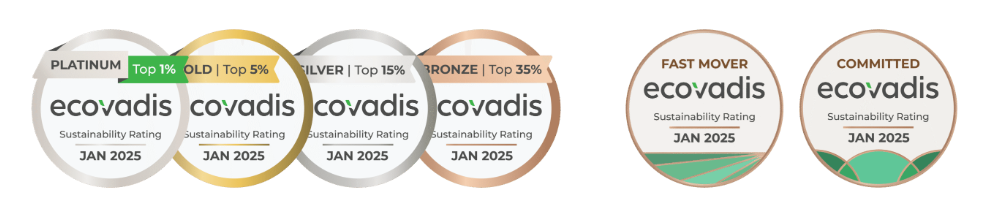
One common example is EcoVadis medals and badges, which recognize companies that complete an EcoVadis assessment and demonstrate stronger sustainability and ESG management relative to other assessed companies. EcoVadis is widely used in global supply chains, and the company reports that 150,000+ businesses use its ratings and related tools.
Eco-friendly packaging supports stronger performance in supplier reviews because it is easier to document and verify, for example:
In practice, this helps teams respond faster in RFP cycles, reduce back-and-forth on questionnaires, and present a clearer, more comparable supplier profile.
ESG reporting and sustainability commitments depend on reliable data, and packaging is one of the most measurable areas to improve data quality. Material type, weight, recycled content, and end-of-life pathways are details that frequently show up in sustainability disclosures and reporting requests.
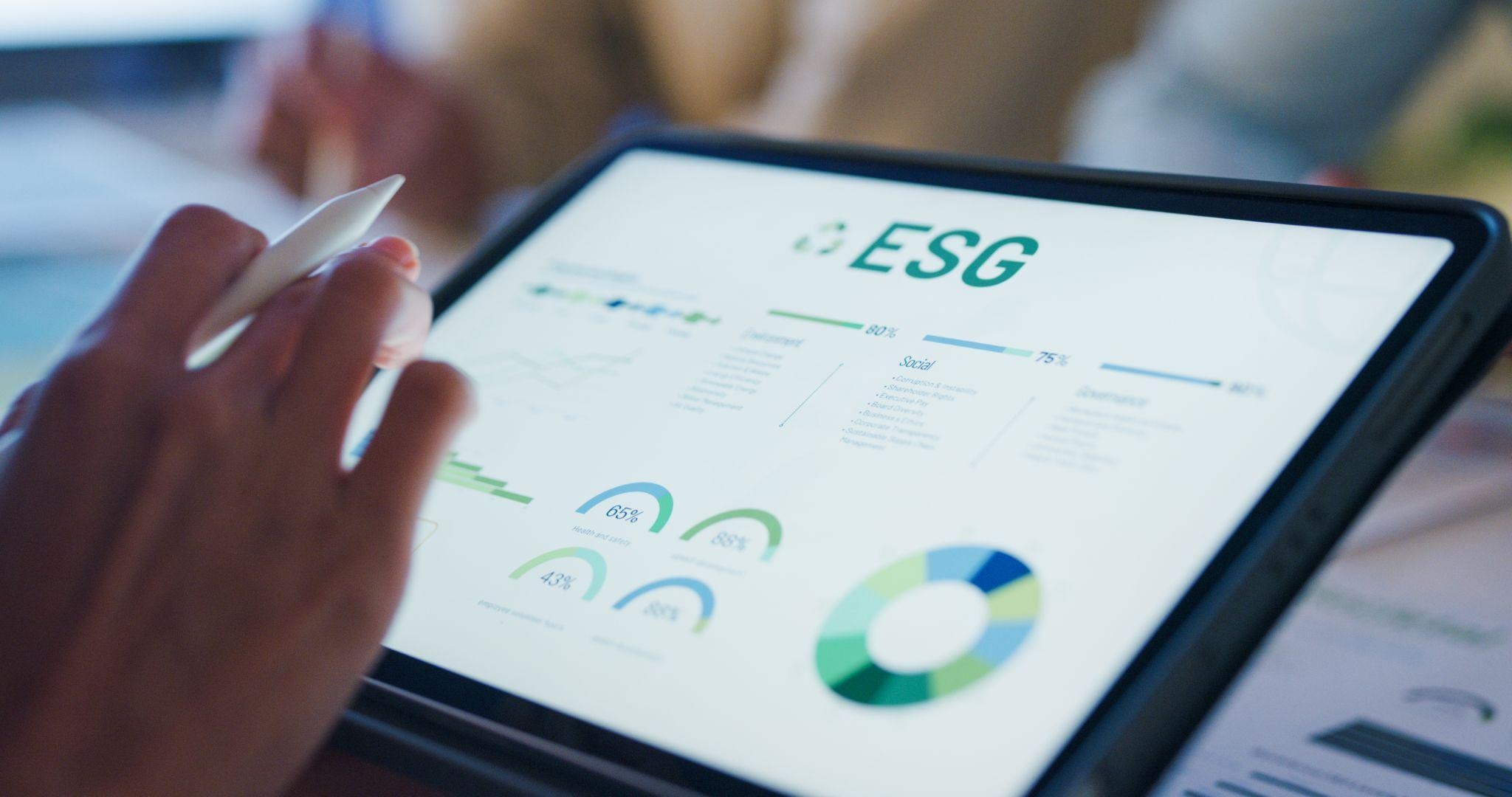
That is exactly where packaging matters for Scope 3 emissions, the part of a company’s footprint that sits in the value chain. It includes the emissions tied to purchased materials, supplier activity, transport, and end-of-life treatment, each quantified using relevant emission factors, not just what happens inside your own operations.
Environmentally safe packaging supports:
It also reduces greenwashing risk. When materials are verifiable and end-of-life pathways are realistic, sustainability claims are easier to support in disclosures and customer reporting.
Build a stronger sustainability case through packaging
Get sustainable packaging solutions with documented materials and realistic end-of-life pathways to support ESG and Scope 3 reporting.
Packaging is one of the most visible sustainability touchpoints for customers and partners. It is handled, inspected, and judged in a way that most other sustainability efforts are not, which makes it a practical signal of how seriously a company treats its responsibilities.
Eco-friendly packaging demonstrates accountability, transparency, and long-term thinking, especially when the materials and end-of-life outcomes are clear and defensible.
Credible packaging decisions build trust across the value chain without relying on marketing claims. When packaging choices are clear and defensible, reputation is supported by action, not messaging.
Transitioning to environmentally safe packaging is not a one-time switch. It is a practical process of aligning environmental goals with performance requirements, market regulations, and what your operations can realistically run at scale.
After years of helping brands evaluate materials, improve packaging design, and move toward more sustainable formats, we have seen what makes transitions succeed and where they typically stall.
Below are our recommendations to help you move from intention to implementation, with a focus on feasibility, compliance readiness, and decisions you can document and stand behind.
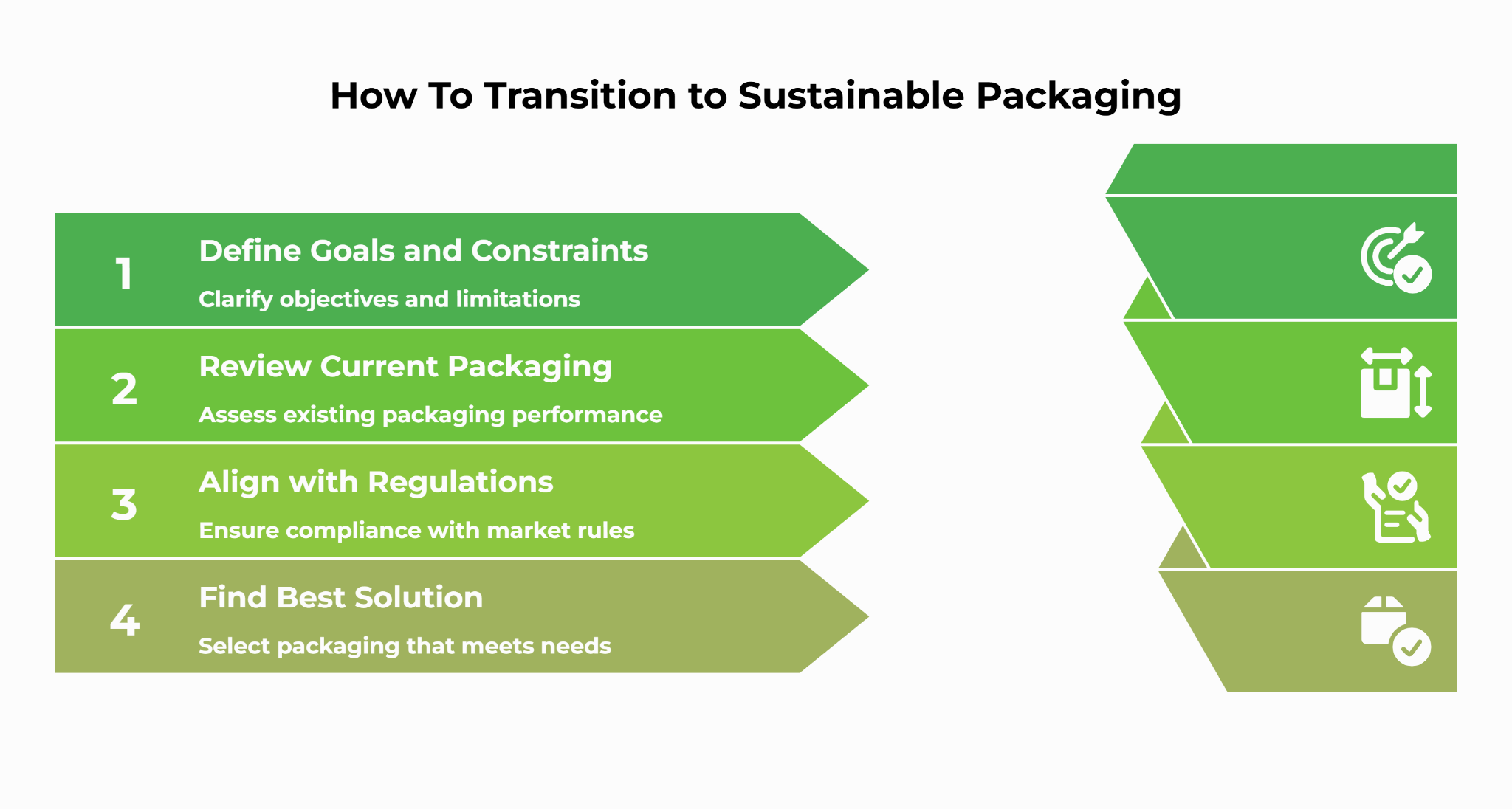
Start by making the goal specific. “More sustainable” can mean different things depending on the product and market.
Clarify what you are optimizing for:
Then define what cannot be compromised, such as product protection, barrier performance, shelf life, appearance, or line speed.
Also confirm where the change sits: primary vs secondary, or transport packaging. Each has different performance demands and different levers for improvement.
Before changing formats, review how your current packaging behaves across the supply chain, not only how it looks on the shelf.
Assess the current state of materials and formats used today, as well as pain points like excess material, damage rates, pack instability, or poor recyclability in practice.
Don’t forget to check out which have the highest environmental and operational impact!
Sustainable packaging must work in the markets where it is used, including the collection and recycling systems that exist today.
Check what applies in your key markets:
When in doubt, prioritize solutions that fit within established paper or recycling streams, especially if you operate across multiple countries.
At this stage, the goal is to move from “options” to a packaging solution that fits your product, your operations, and your target markets. The best choice is the one that meets performance requirements and can be produced consistently at scale.
Explore our engineered fibre and bio-based options designed to meet performance requirements and scale reliably.
So, now we know why sustainable packaging is important on multiple fronts.
It is becoming an inevitable shift, driven by tightening regulations, resource constraints, and evolving market expectations across supply chains. What used to be treated as an improvement initiative is increasingly becoming a baseline requirement for operating across markets.
The next phase will be shaped by solutions that are designed to scale. Well-designed, scalable packaging can reduce environmental impact while still meeting the requirements that matter day to day, including product protection, supply chain efficiency, and operational reliability. Sustainability cannot come at the expense of performance. For most businesses, it has to strengthen it.
In that sense, environmentally safe packaging is more than a compliance response. It is a foundation for future-ready supply chains, enabling innovation, resilience, and smarter use of materials across industries. The companies that move early, with decisions they can document and stand behind, will be better positioned to meet expectations and stay competitive as standards continue to rise.
Which sustainable packaging solution is best for my product?
It depends on what you are optimizing for: precision and structural performance, material efficiency, protective fibre-based formats, or bio-based premium aesthetics. A good starting point is to map your packaging to the core requirements in the article: protection, operational fit, market end-of-life reality, and documentation readiness.
When should we consider engineered fibre-based solutions instead of plastic?
Engineered fibre-based formats are worth considering when you want to reduce plastic use but still need reliable strength, protection, and scalability. Solutions such as Pulp-Injection, Fiber-Forming, or PaperFoam® are typically evaluated when fibre can deliver the required performance and fit into established paper streams in your key markets.
How should we evaluate feasibility before committing to a new packaging format?
Focus on three areas: performance (protection, strength, barrier needs), operational fit (how it runs in production and logistics), and end-of-life reality (what happens in your target markets). When these are validated, scaling becomes a controlled decision rather than a risk.
Which industries benefit most from sustainable packaging changes?
Industries with high packaging volumes, multi-market distribution, or strict compliance and documentation needs often see the fastest impact. This commonly includes food and beverage, cosmetics and personal care, healthcare and medical, and industrial and electronics packaging, where protection and operational fit matter as much as sustainability.
Why is sustainable food packaging important?
Sustainable food packaging is important because food packaging must protect safety and shelf life at high volume, so small improvements scale fast. It helps reduce waste and emissions, meet tightening regulations and retailer requirements, and deliver packaging claims that are easier to document and defend.


We here at Nissha will support you every step of the way!