Pulp-Injection: Where Design Meets Sustainability
Pulp-Injection delivers the precision and strength of traditional plastics with a recyclable, paper-based material.
.webp)
Tested recyclable to PTS-RH 021:2012
PAP 21 Recycling Code (Non-corrugated fiberboard)

No.230137
Biomass Mark 90% (Japan Organics Recycling Association No. 230137)
Petroleum-based plastics like PE, PP, and ABS have long been favored for their functionality and strength. However, they come with a cost: plastic waste, high carbon footprints, and dependence on non-renewable fossil resources.
Regulations and rebranding needs are pushing companies to seek alternatives, but traditional paper often lacks the flexibility and strength needed to replace plastic in molded parts.
Pulp-Injection technology offers businesses the better alternative they need – durable, recyclable packaging designed to meet today’s demands and future regulations.
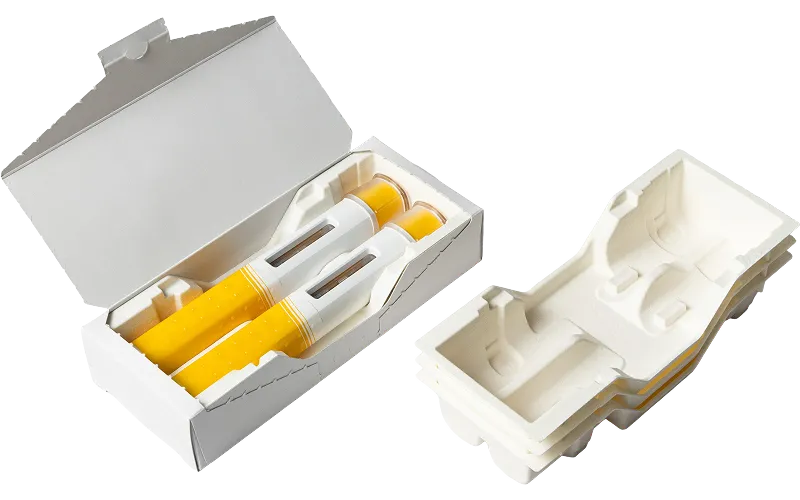
Why Choose Pulp-Injection?

Clean, smooth surface inspired by traditional Japanese paper, with minimal fiber dust. It creates a natural, premium impression for your brand.

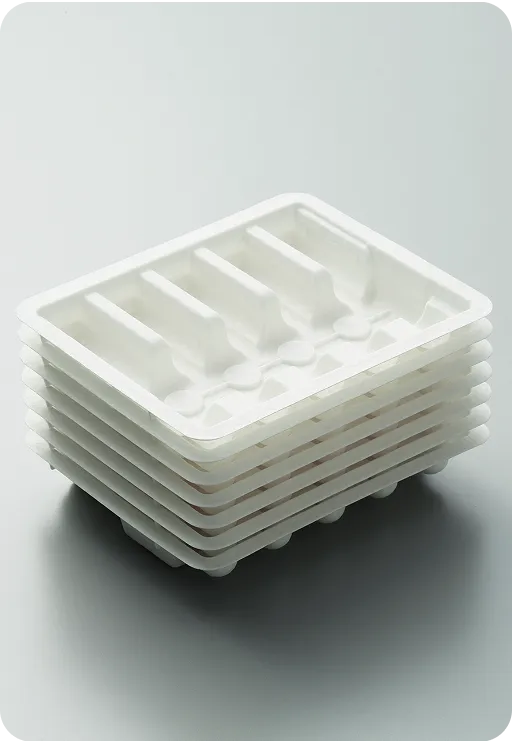
Injection molding creates precise, complex shapes like ribs, flanges, embossing, and custom branding, perfect for various applications and existing packaging lines.

As a paper-based solution, it is recyclable and may ease compliance with plastic taxes and EPR regulations, helping brands adopt more sustainable packaging systems.

The molding process produces less fiber dust, making it ideal for delicate or luxury items. Production takes place in ISO Class 8 cleanrooms to ensure top hygiene standards.

Pulp-Injection is made from 90% biobased materials and significantly lowers carbon emissions from sourcing to disposal.

Its lightweight design cuts shipping weight, reduces volume, and lowers transportation emissions. Despite being just 0.6–1.0 mm thick, it’s strong and up to 40% lighter than PET.

The Materials Behind Pulp-Injection
Pulp-Injection uses a proprietary pellet made mainly from pulp and starch, with a small amount of water, to create a sustainable, high-performance packaging products.
With over 90% bio-based content and more than 50% pulp, this material is classified as non-corrugated fiberboard under the PAP 21 recycling code, making it fully recyclable within existing paper recycling systems*.
*depending on local regulations
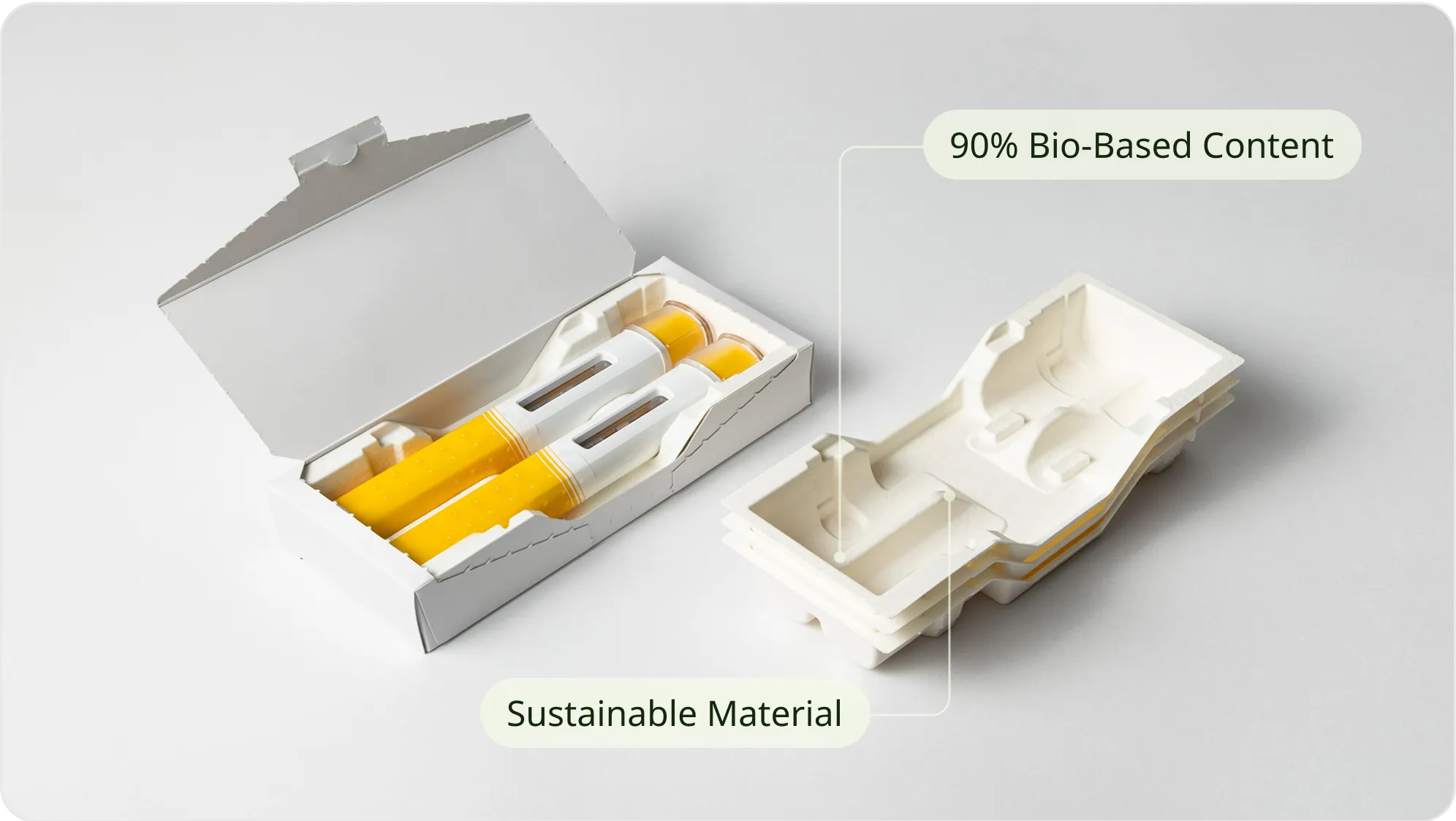
Eco-Friendly Packaging for Every Industry
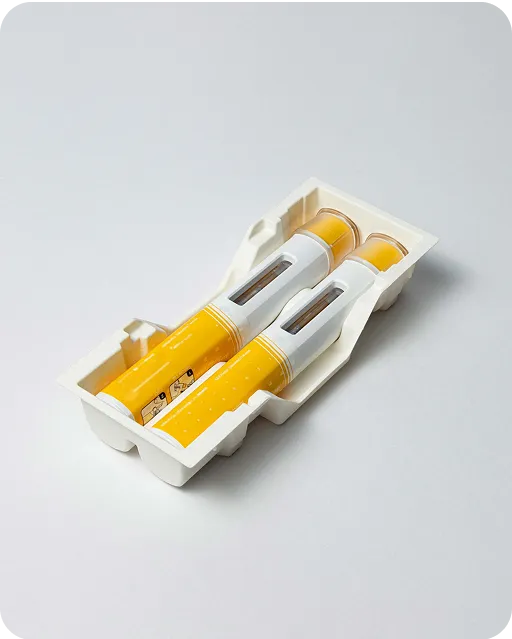
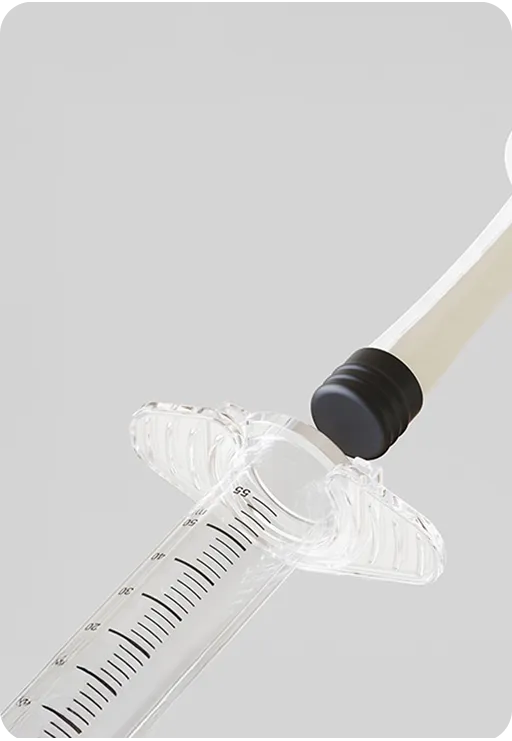
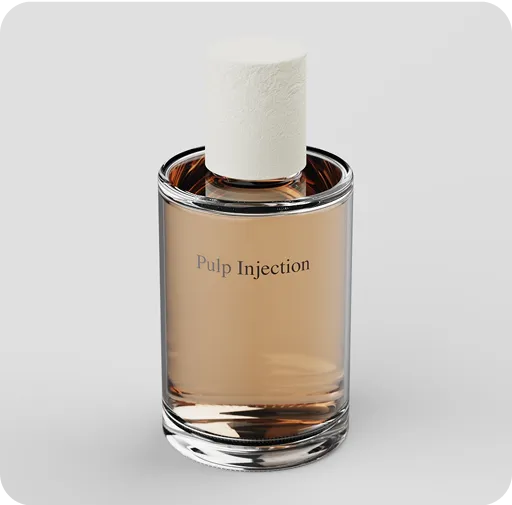
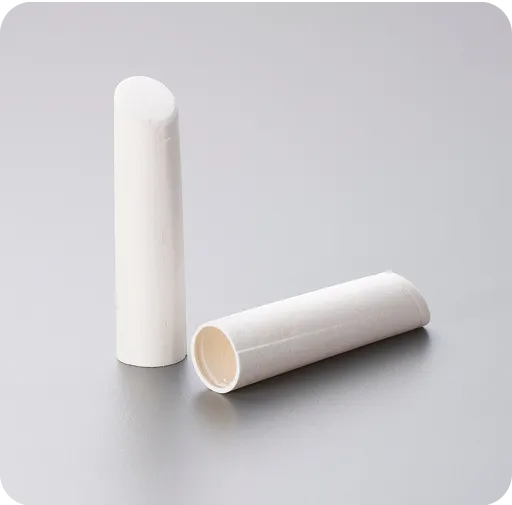
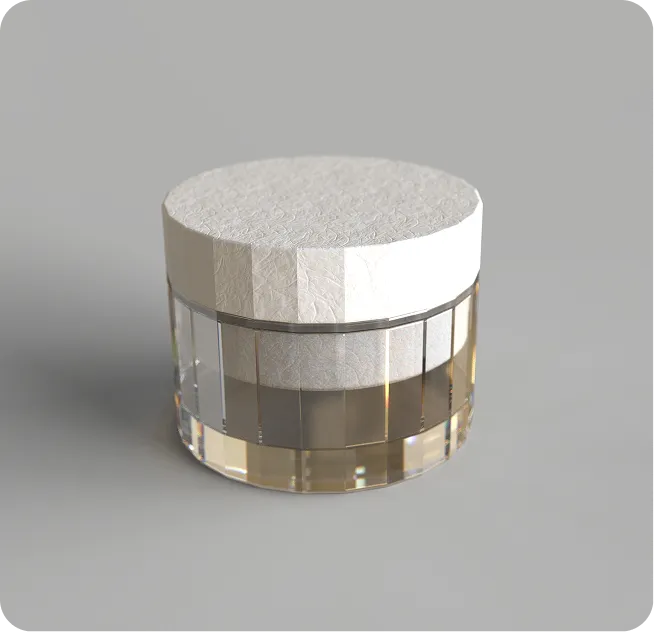
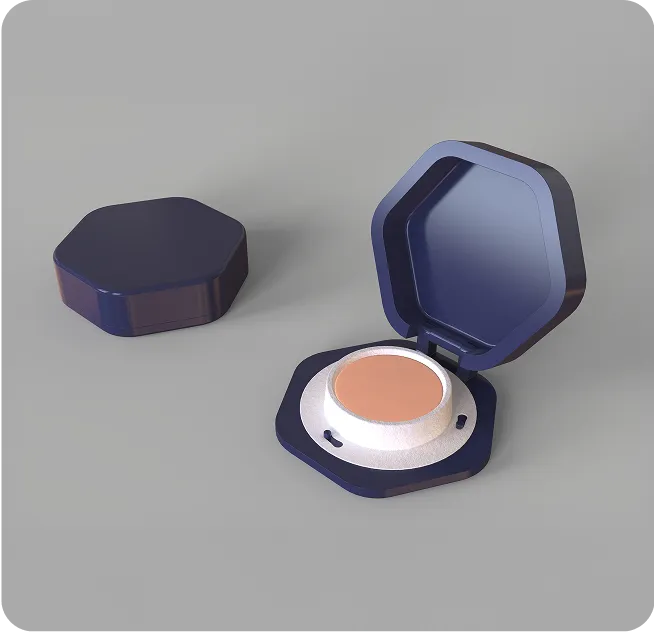
Custom-designed for each client, Pulp-Injection supports industries like pharmaceuticals, cosmetics, electronics, and premium spirits with packaging focused on protection and sustainability.
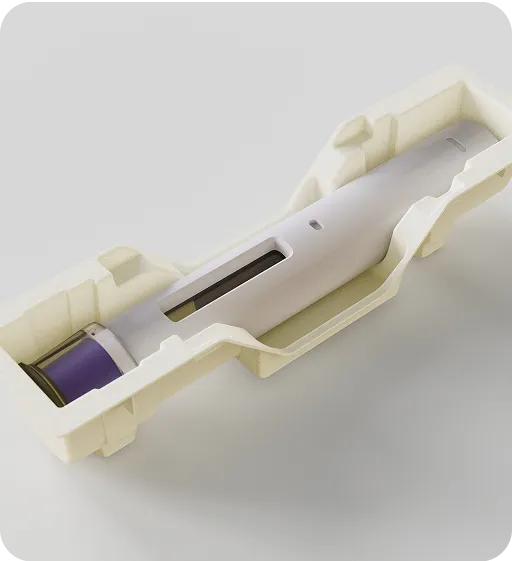
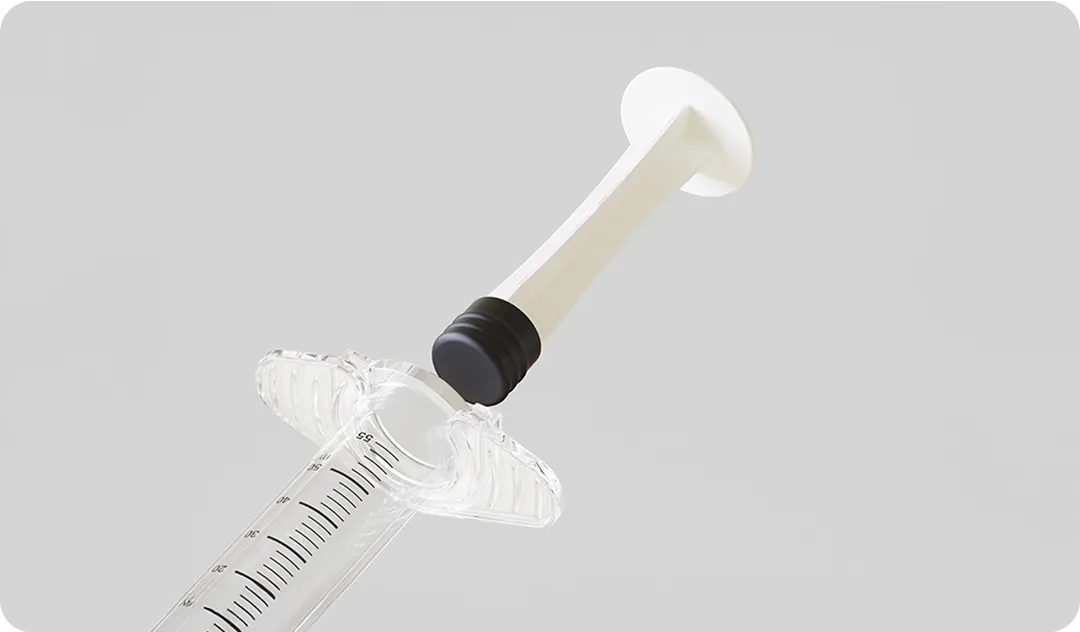



Pulp-Injection vs Traditional Plastics
Pulp-Injection is as strong as plastic with the sustainability and safety of natural materials.


Key Specifications
All products are custom-designed. Our sales team are more than happy to discuss with you specific design requirements, quantity, and sustainability challenges.


The Pulp-Injection Process
For the Pulp-Injection production process, we don’t use ‘Thermoforming’ but rather ‘Injection molding’. Our process know-how alongside the combination of unique material composition gives the product’s one-of-kind shape and properties.
Material preparation
The Pulp-Injection pellet is first moisturized to be injectable into a mold.
Injection molding
The moistened material is then injected into a mold, where it takes on its designed shape.
Drying in mold cavities
Once shaped, the product remains in the mold while the water content is vaporized, ensuring dimensional stability and a unique, rigid finish.
Post trimming
After molding and drying, any excess material is trimmed, leaving a clean, finished product ready for packaging or further processing.

Frequently Asked Questions
Yes. Pulp-Injection is designed to meet the requirements of the EU’s Packaging and Packaging Waste Regulation (PPWR) and Extended Producer Responsibility (EPR) schemes. It supports recyclability and reduced plastic content, aligning with the circular economy goals of upcoming regulations.

MOQ of 100,000 units is recommended. Smaller quantities may be possible depending on shape and size. Please contact us for details.
Absolutely. Because Pulp-Injection contains no petroleum-based plastics, it is not subject to the €0.80/kg plastic tax imposed on non-recycled plastic packaging in the EU.
MOQ of 100,000 units is recommended. Smaller quantities may be possible depending on shape and size. Please contact us for details.
Absolutely. Because Pulp-Injection contains no petroleum-based plastics, it is not subject to the €0.80/kg plastic tax imposed on non-recycled plastic packaging in the EU.
MOQ of 100,000 units is recommended. Smaller quantities may be possible depending on shape and size. Please contact us for details.
Yes. Products can be certified for food contact safety and are already used in pharmaceutical, cosmetic, and nutraceutical applications. Our team will ensure compliance with relevant standards based on your industry.
MOQ of 100,000 units is recommended. Smaller quantities may be possible depending on shape and size. Please contact us for details.
Our team provides end-to-end support, from material consultation and prototyping to tooling and full-scale production. We’ll also help you navigate sustainability regulations and optimize your design for recyclability.
MOQ of 100,000 units is recommended. Smaller quantities may be possible depending on shape and size. Please contact us for details.

Ready to Start Working With Us?
We here at Nissha will support you every step of the way!