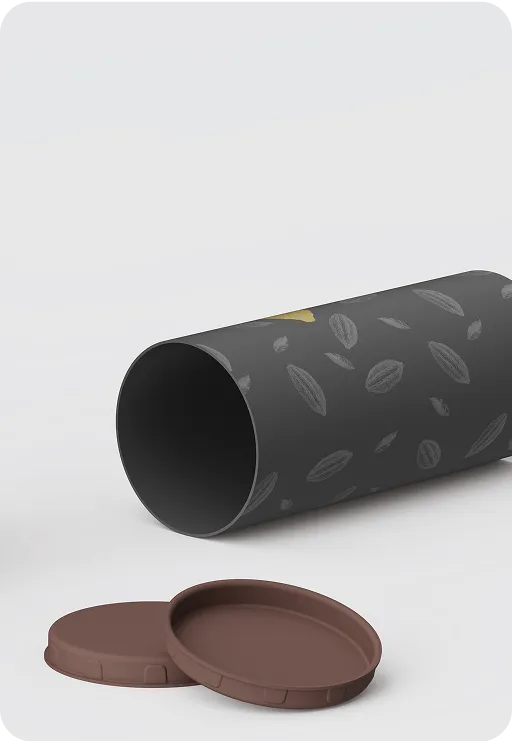
Fiber-Forming: Over 95% pulp, Lower cost than conventional pulp molding
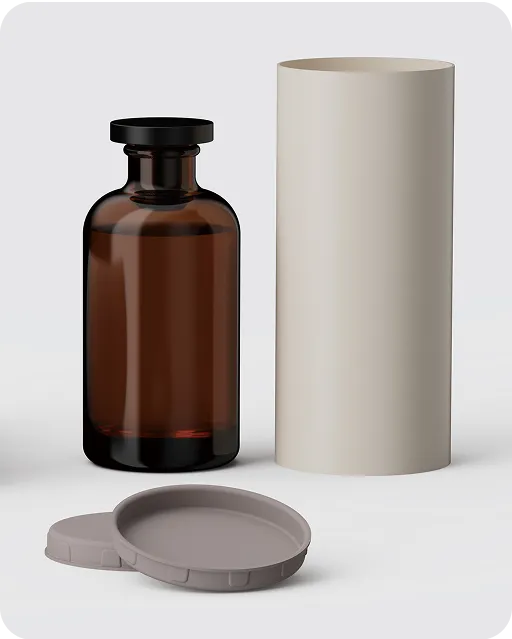
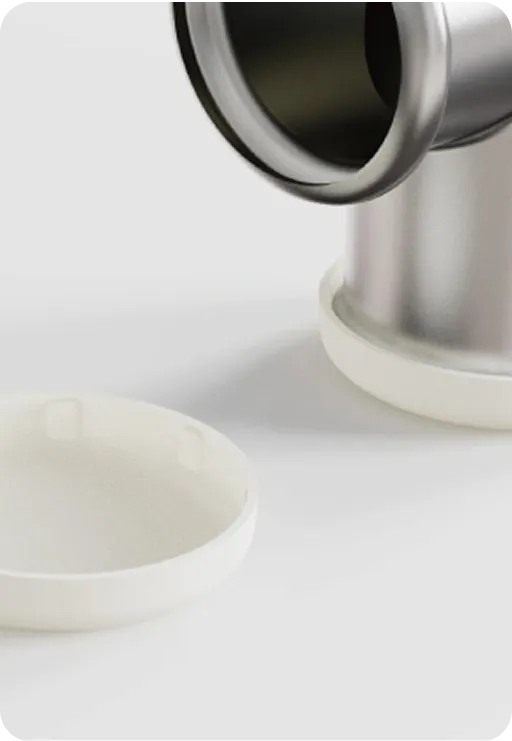
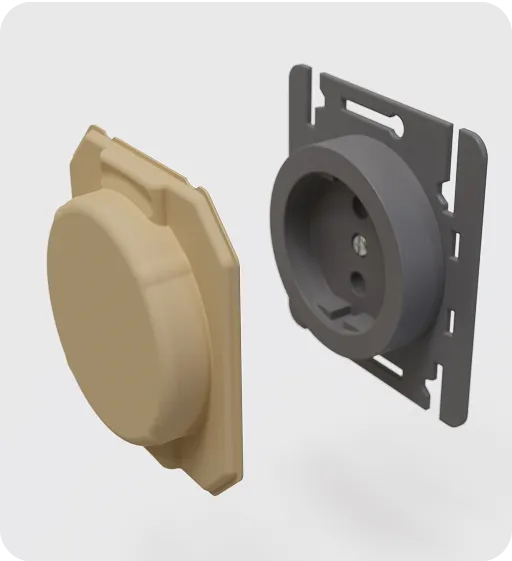
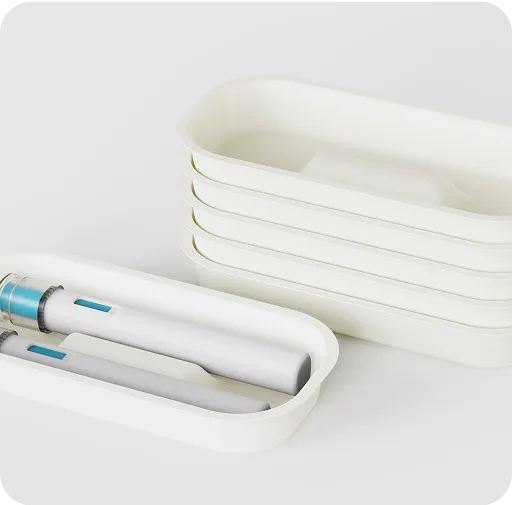
Fiber-Forming offers a paper-recyclable alternative to conventional plastics, with the rigidity needed for applications such as lids and components.
.webp)
For decades, plastics like polyethylene (PE) and polypropylene (PP) have been the go-to materials in packaging, thanks to their versatility and efficiency.
But today, the landscape is changing. Growing concerns about carbon emissions, microplastic pollution, and stricter EU regulations are driving businesses to explore new solutions.
Traditional plastics, long used in a wide range of packaging, are now being reassessed as brands seek a balance between performance and sustainability.
This is where Fiber-Forming comes in. This pulp-based packaging solution is designed to meet modern demands while reducing environmental impact.
Why Choose Fiber-Forming?

Made from over 95% pulp fibers sourced from FSC certified forests.
Fully compatible with existing paper recycling systems for a circular, low-impact packaging solution.

The dry process enables water-free production, reducing energy use, and supporting efficient, large-scale manufacturing.

No drying process is needed, enabling fast, efficient, and cost-effective production.

Delivers excellent mechanical strength while supporting friction fit, threads, hinge design, embossing, and debossing.

Our packaging delivers a refined, natural look with a smooth texture that brings out the product’s quality.

The Materials Behind Fiber-Forming
Fiber-Forming is made primarily from FSC-certified pulp fibers sourced from responsibly managed forests. The pulp is first processed into a flat fiber sheet, which is then shaped into three-dimensional products through our proprietary forming and pressing technology.
Because the material consists over 95% of cellulose fibers, Fiber-Forming products are recyclable in standard paper recycling streams.
The material has also been tested for biodegradability in both soil and marine environments through certified third-party laboratories following recognized international standards.
For applications requiring additional functionality, such as moisture or grease resistance, post-functional coatings can be applied while maintaining a high renewable fiber content.
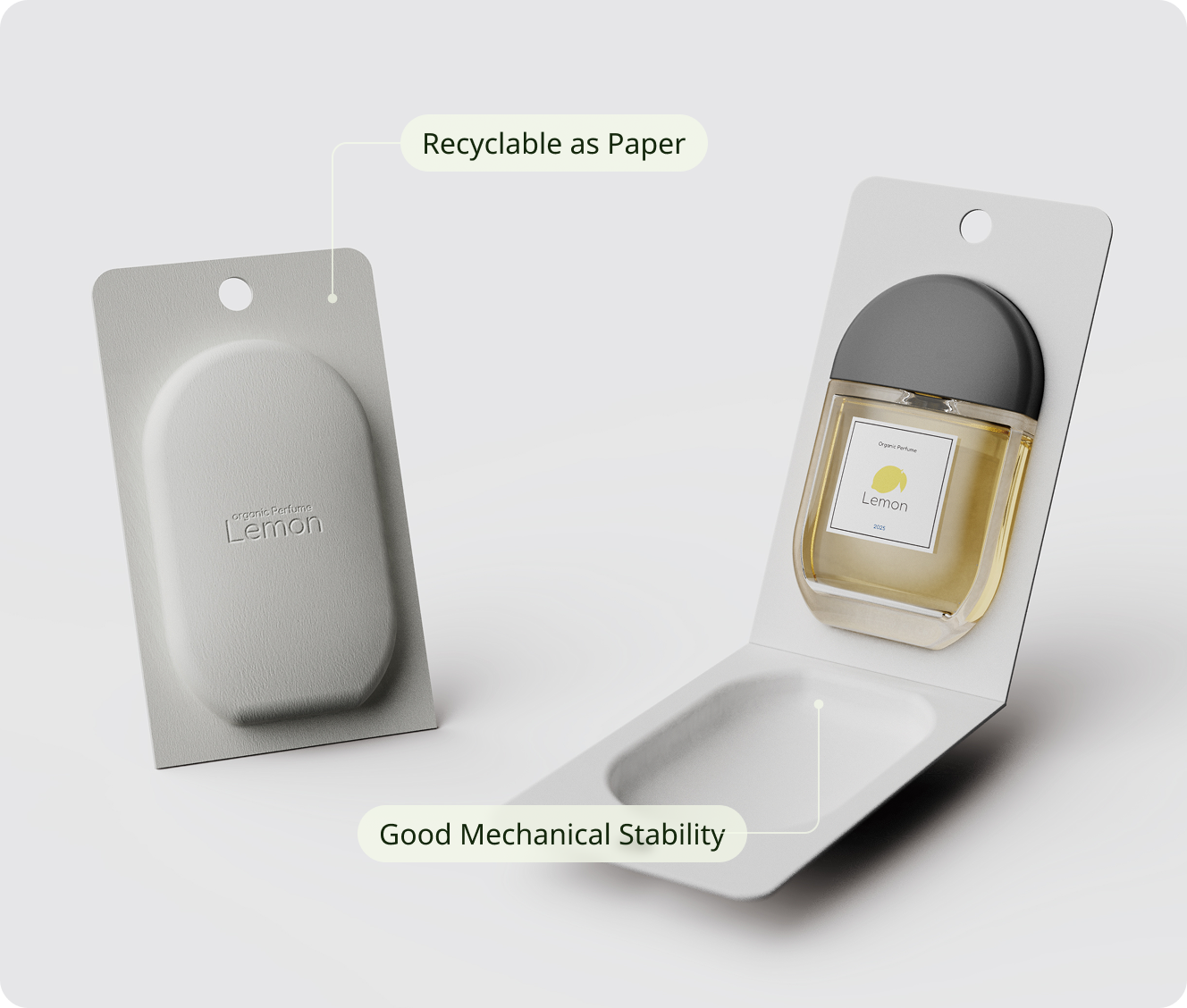
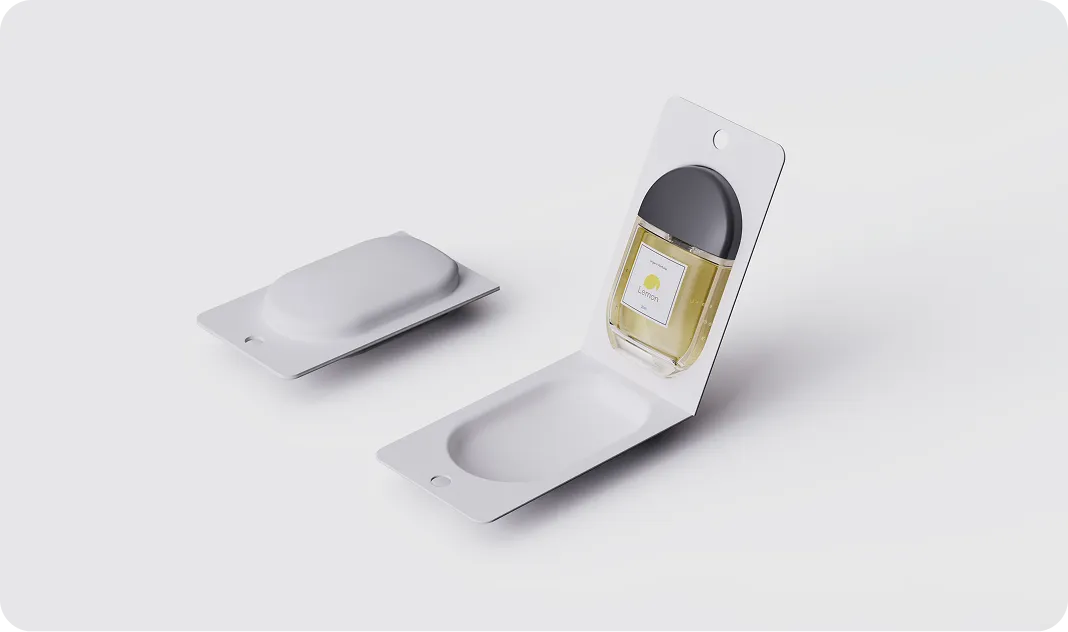
Circular Packaging Solutions for Every Industry
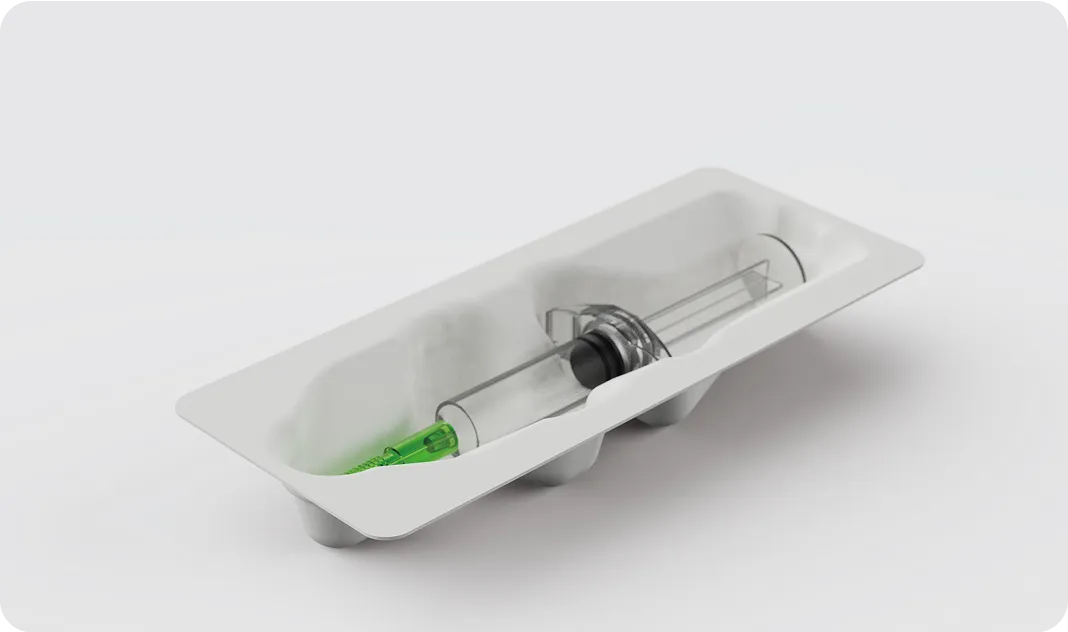
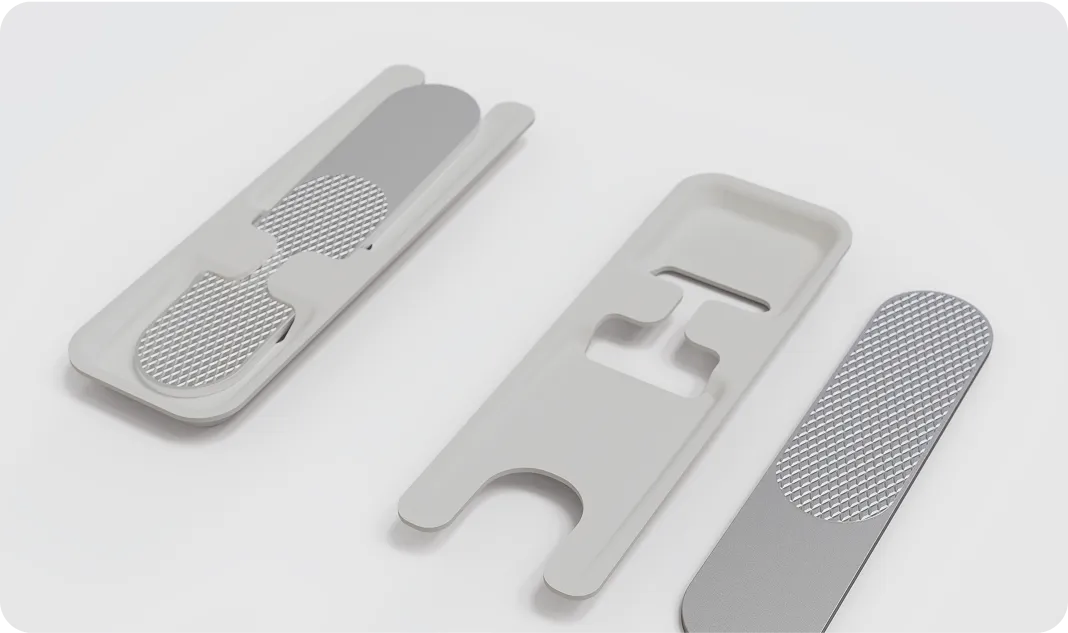
Fiber-Forming provides customizable, pulp-based solutions for diverse industries, meeting both functional and sustainability requirements.

.jpg)
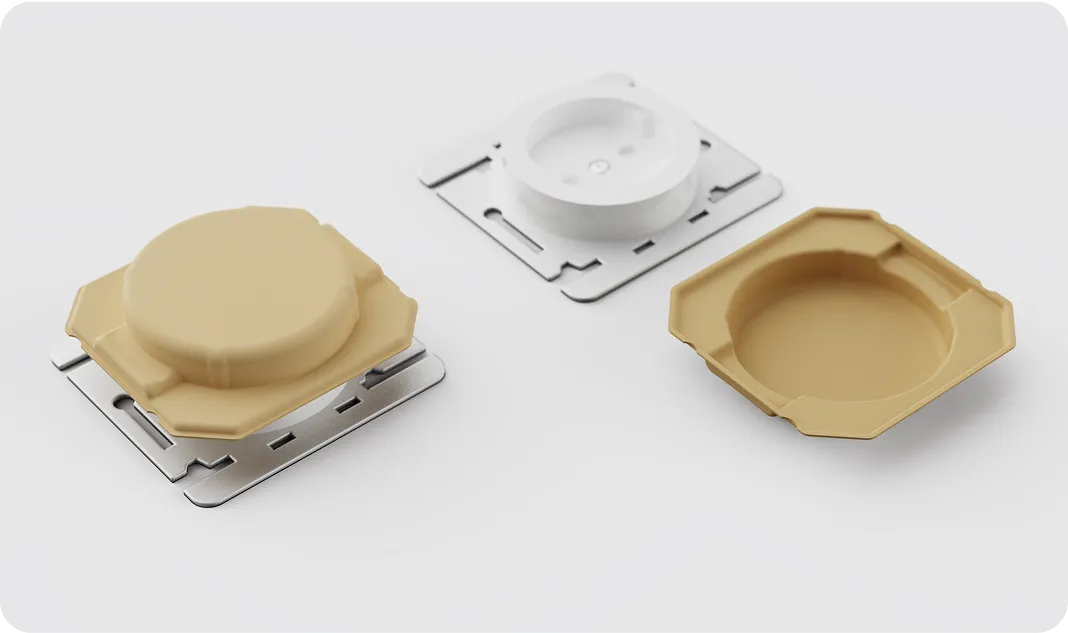

Fiber-Forming vs Traditional Plastics
Fiber-Forming gives you the strength and design flexibility of traditional plastics with the sustainability of high-pulp, recyclable materials.


Key Specifications
Our sales team is more than happy to discuss with you specific design requirements, quantity, and sustainability challenges.


ϕ270mm x H10mm


The Fiber-Forming Process
Our press forming process developed by Blue Ocean Closures AB, combined with a pulp fibre sheet, creates precise, durable, and customizable packaging solutions.
Material preparation
Heat press forming process developed our strategic partner, combined with a pulp fiber sheet, creates precise, durable, and customizable packaging solutions.
%20(1).png)
Cutting and shaping
The fiber sheets are punched into a pre-designed format in a single mold, ready for forming.
%20(1).png)
High-pressure hot pressing
The material is shaped under high pressure, forming the final 3D product with excellent strenght and design flexibility, including functional features.
.jpg)

Frequently Asked Questions
Molded fiber (also called molded pulp) is a manufacturing process in which pulp fibers are dispersed in water, formed onto a mesh mold, compressed, and then dried to create a three-dimensional shape. There are two main types of molded fiber production:
Dry molding: the formed product is dried while moving through a drying process, typically on a conveyor system.
Wet molding: the product is dried directly inside the mold, enabling a smoother surface finish and finer details.
Because both processes start with a water-based pulp slurry, a drying step is always required. As a result, energy consumption, production time, and manufacturing costs are influenced by the drying process.
Fiber-Forming uses a completely different approach.
Instead of a pulp slurry, Fiber-Forming starts with a flat pulp sheet supplied in roll form. The sheet is directly formed into its final three-dimensional shape using heat and pressure.
Because the material is already dry, no drying process is required after forming.
This enables:
✅ High-speed production
✅ Lower manufacturing costs
✅ Reduced energy consumption
✅ Lower CO₂ emissions during production
By eliminating the drying stage, Fiber-Forming combines the benefits of fiber-based packaging with the efficiency required for high-volume industrial production.

MOQ of 100,000 units is recommended. Smaller quantities may be possible depending on shape and size. Please contact us for details.
Depending on the size of the product, but an annual volume of 2 million units or more is preferrable.
MOQ of 100,000 units is recommended. Smaller quantities may be possible depending on shape and size. Please contact us for details.
Approximately 95% pulp, with the remainder consisting of binders and optional coatings.
MOQ of 100,000 units is recommended. Smaller quantities may be possible depending on shape and size. Please contact us for details.
Water-repellent coating is available. However, it is not suitable for continuous immersion in liquids.
MOQ of 100,000 units is recommended. Smaller quantities may be possible depending on shape and size. Please contact us for details.
Recyclable as paper. Evaluated using CEPI’s recycling assessment method.
MOQ of 100,000 units is recommended. Smaller quantities may be possible depending on shape and size. Please contact us for details.
Nissha has entered into a capital and business alliance with Swedish startup Blue Ocean Closures, which specializes in fiber-based products. To address global environmental challenges, Nissha is focusing on sustainable materials and offers bio-based molded products under the “ecosense molding” brand. Through this alliance, Nissha will adopt Blue Ocean Closures’ proprietary technology to expand production and sales of fiber-based molded products. For details on our capital and business alliance with Blue Ocean Closures AB, please click here.
Nissha has entered into a capital and business alliance with Swedish startup Blue Ocean Closures, which specializes in fiber-based products. To address global environmental challenges, Nissha is focusing on sustainable materials and offers bio-based molded products under the “ecosense molding” brand. Through this alliance, Nissha will adopt Blue Ocean Closures’ proprietary technology to expand production and sales of fiber-based molded products. For details on our capital and business alliance with Blue Ocean Closures AB, please click here.

Ready to Start Working With Us?
We here at Nissha will support you every step of the way!