Tailored Packaging Solutions, Just for You



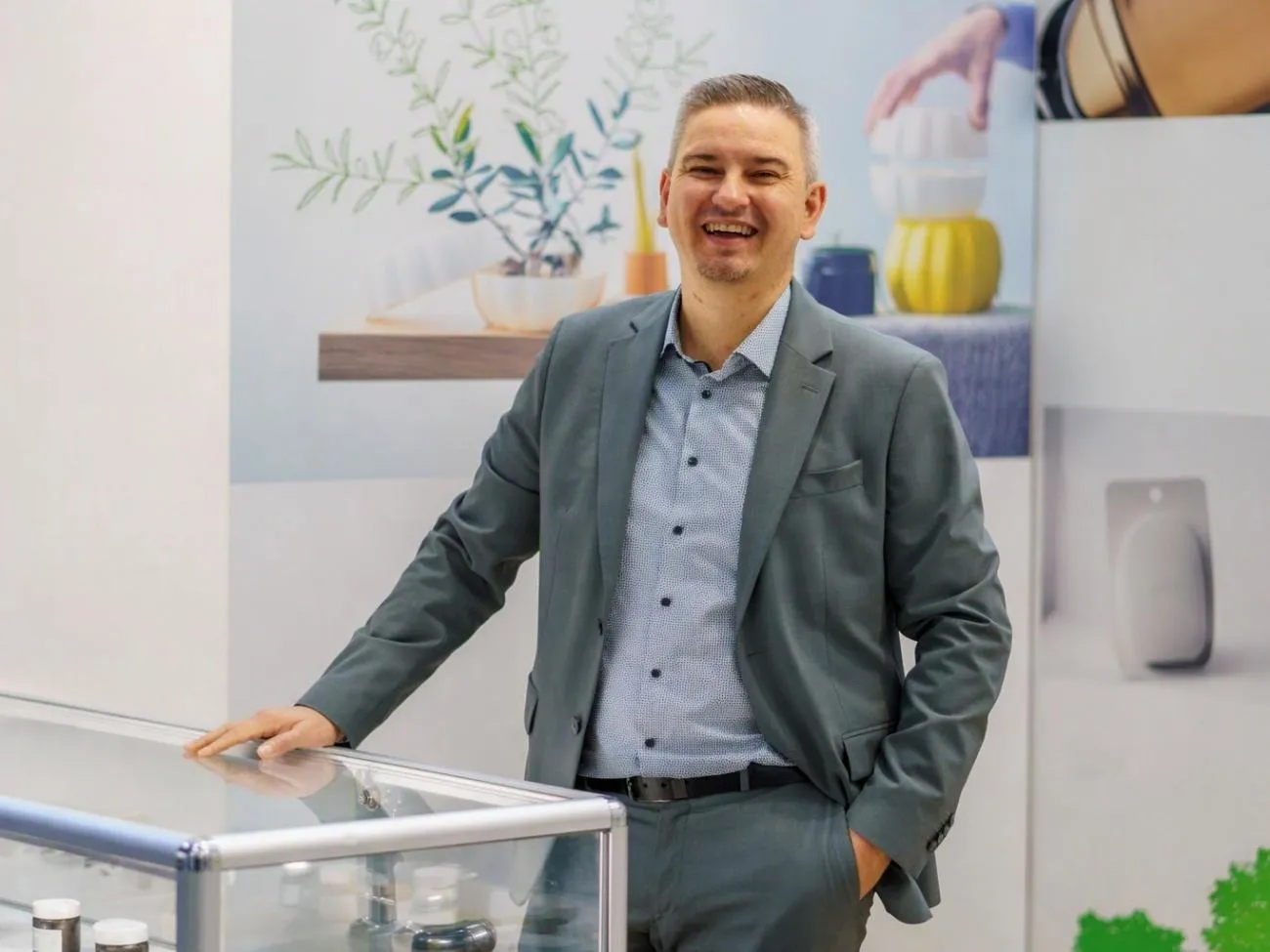
We are pleased to share that Packaging Post recently interviewed Nils Wenzel, Senior Sales Manager at Nissha Europe, about ecosense molding’s approach to sustainable packaging.
Tailored Packaging Solutions, Just for You
Highlights from the interview
- What "Sustainable by Design" means in practice
- Why sustainable packaging is about more than just materials
- How Nissha's diverse packaging technologies support brands across multiple industries
- The importance of balancing sustainability, functionality, manufacturability, and scalability
- Why packaging should be designed with its entire lifecycle in mind
At Nissha, we believe sustainable packaging starts long before production. By considering material choice, product protection, manufacturing efficiency, and end-of-life from the earliest design stage, we help brands develop packaging solutions that are practical as well as sustainable.
Read the full interview on Packaging Post:
Nissha Europe: a company “sustainable by design” - Packaging Post
Explore our sustainable packaging solutions.
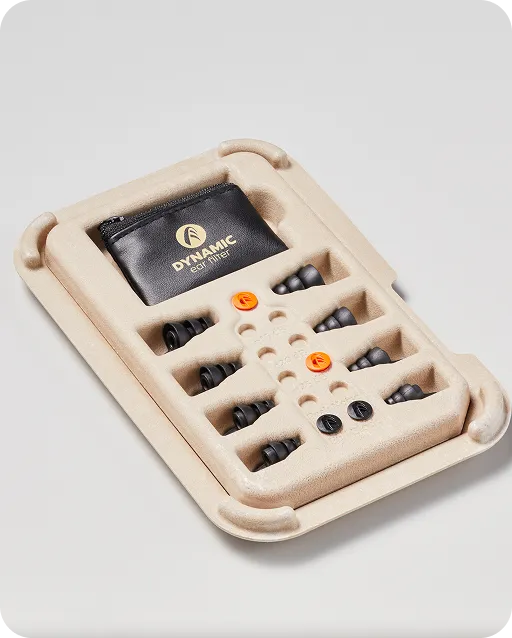
Fiber-Forming is made from over 95% pulp fibers, sourced from FSC certified forests, to achieve circularity. In addition to pulp, Fiber-Forming may include post functional coating to enhance molded products properties while keeping the product largely natural.
Its high cellulose content ensures it is fully recyclable within standard paper recycling streams in every country, making it a low-impact, circular material choice that supports compliance with plastic taxes.
Biodegradability in soil and marine environments is tested for Fiber-Forming, through certified third-party labs, following recognized global standards.
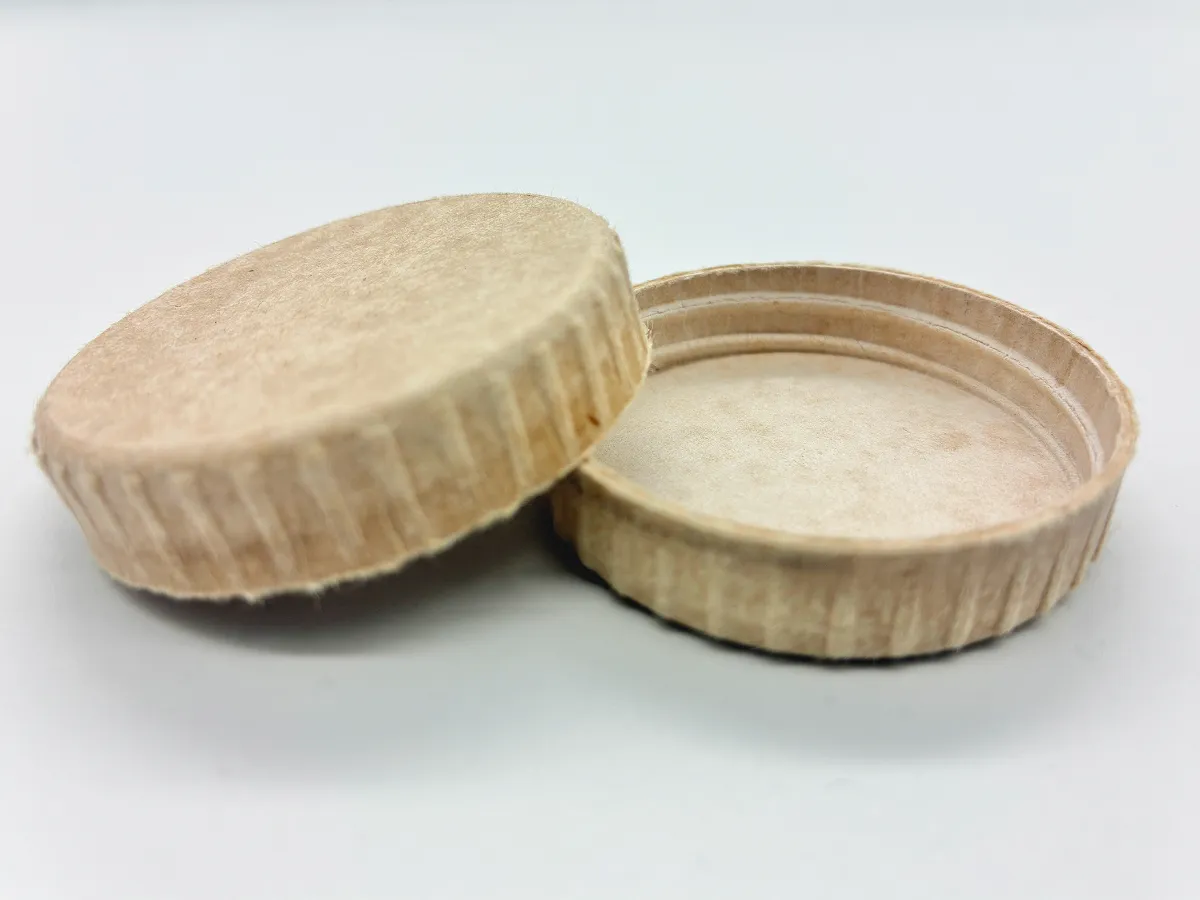
Fiber-Forming begins with dry pulp fiber sheets that are shaped using heat and pressure in precision molds. Unlike conventional wet molded fiber processes, no drying stage is required after forming. This significantly shortens production time while reducing energy consumption and manufacturing costs.
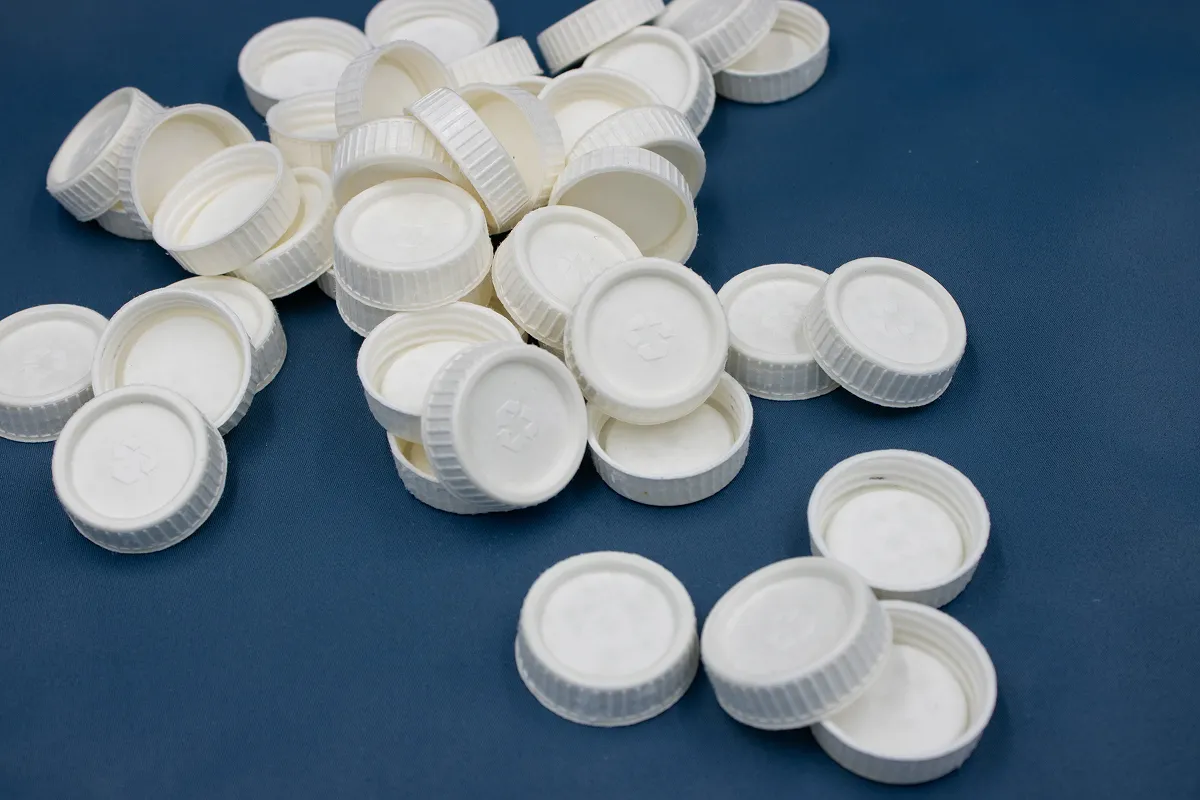
As the name suggests, Fiber-Forming relies on pressing fiber sheets into shape rather than injecting material into a mold. While this means it cannot achieve the highly complex geometries possible with injection moulding, it offers excellent rigidity and a wide range of functional design features.
Fiber-Forming can incorporate friction-fit mechanisms, screw threads, living hinges, embossing, debossing, and other functional elements that eliminate the need for additional plastic components.
Thanks to its short cycle time and highly efficient production process, Fiber-Forming is particularly well suited for high-volume manufacturing. Compared with many conventional molded fiber technologies, it also provides a more cost-competitive solution, bringing production costs closer to those of plastic packaging.
For these reasons, Fiber-Forming is ideal for relatively simple packaging designs produced at annual volumes exceeding approximately two million units.


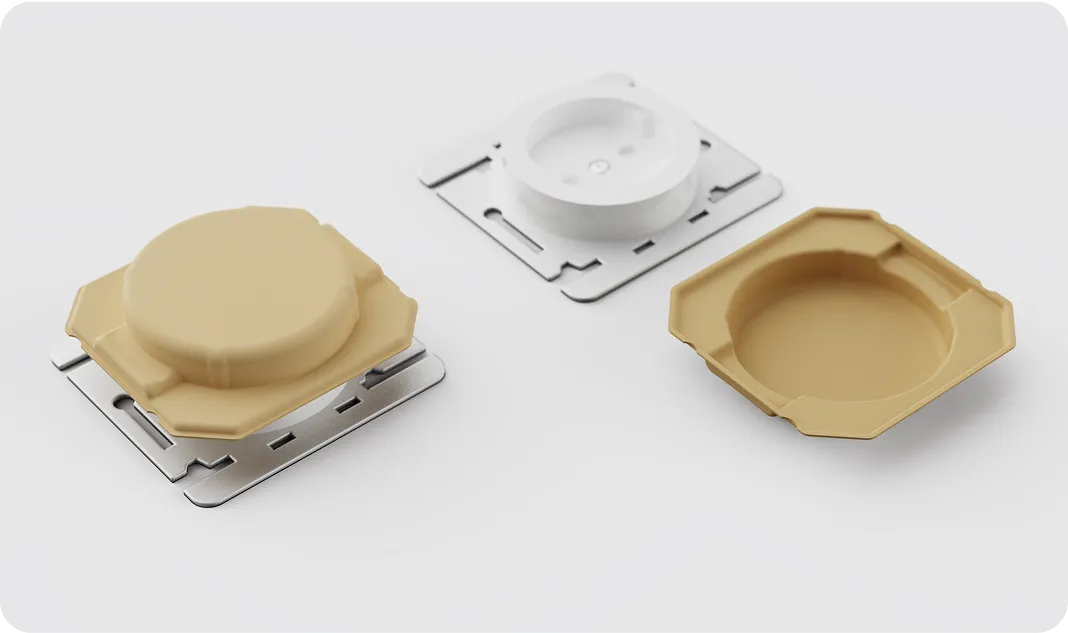
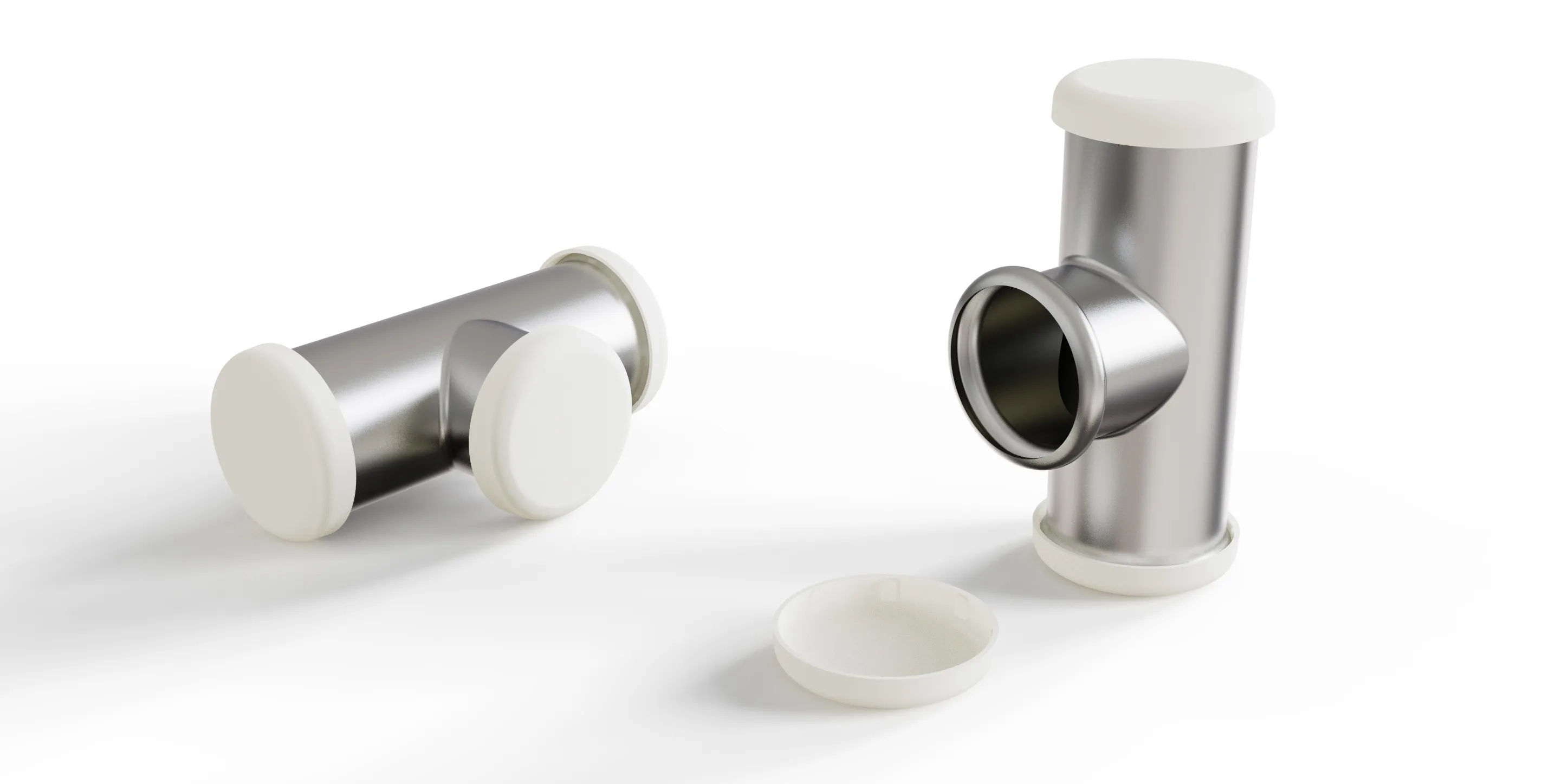
Pulp-Injection made mainly from pulp and starch, with a small amount of water.
With over 90% bio-based content and more than 50% pulp, this material is classified as non-corrugated fiberboard under the PAP 21 recycling code, making it fully recyclable within existing paper recycling systems*.
*depending on local regulations
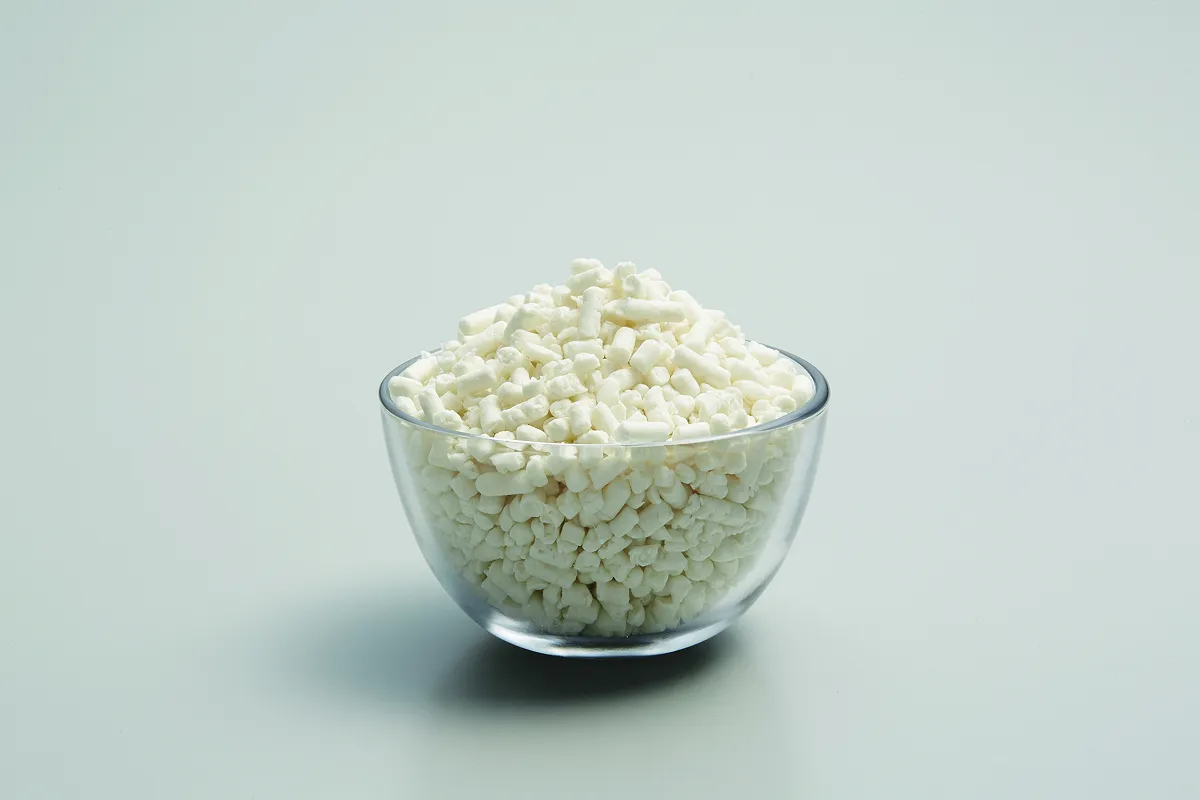
Pulp-Injection uses an injection moulding process similar to conventional plastic injection moulding, making it one of the most distinctive fiber-based manufacturing technologies available today.
This process enables highly precise, three-dimensional geometries with functional features such as ribs, flanges, embossing, debossing, and custom branding. It also supports seamless integration into existing automated packaging lines.
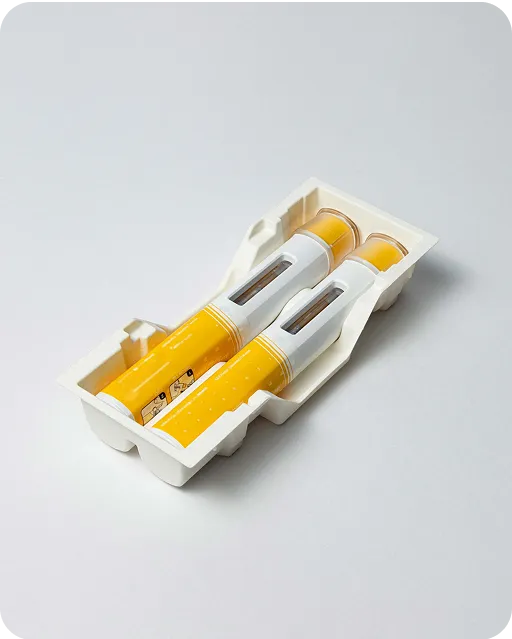
Because the material flows into the mold before curing, the process generates significantly less fiber dust than conventional molded fiber technologies. Combined with production in ISO Class 8 cleanrooms, this makes Pulp-Injection particularly suitable for pharmaceutical, medical, and premium consumer applications.
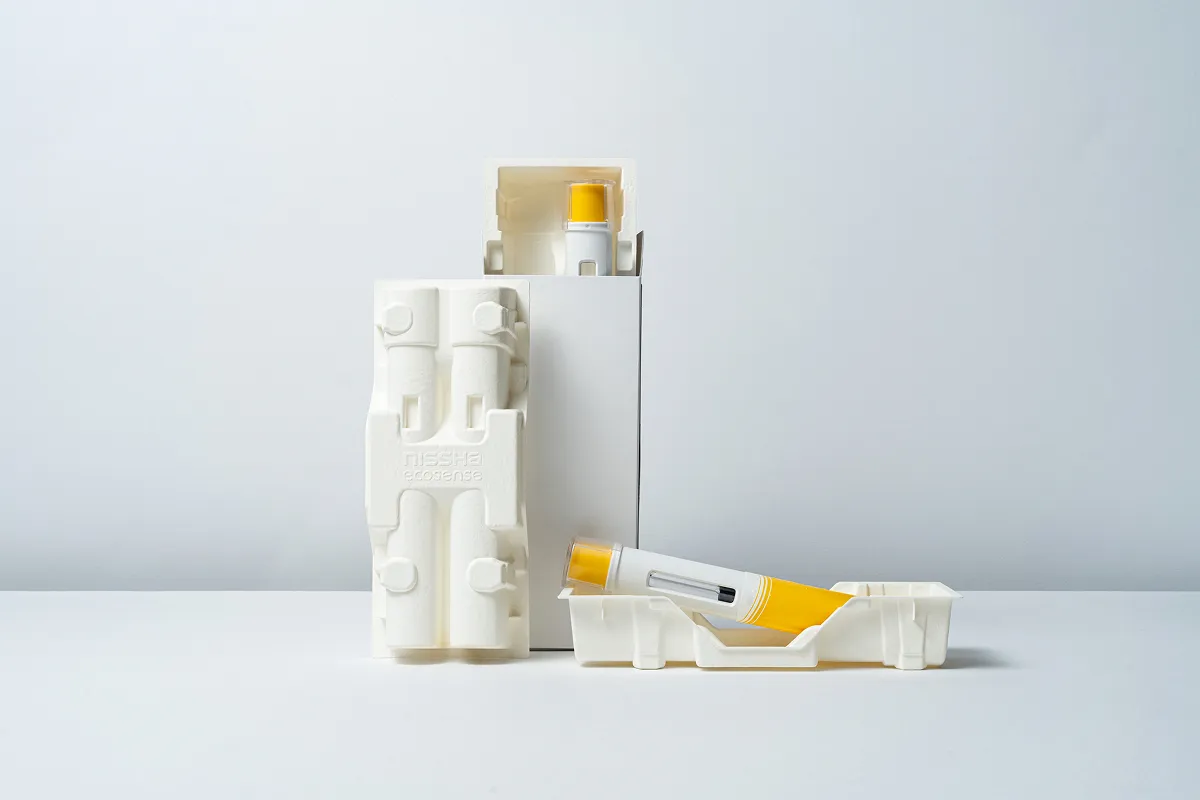
Pulp-Injection is designed for applications that require dimensional accuracy and more sophisticated geometries than conventional molded fiber can provide.
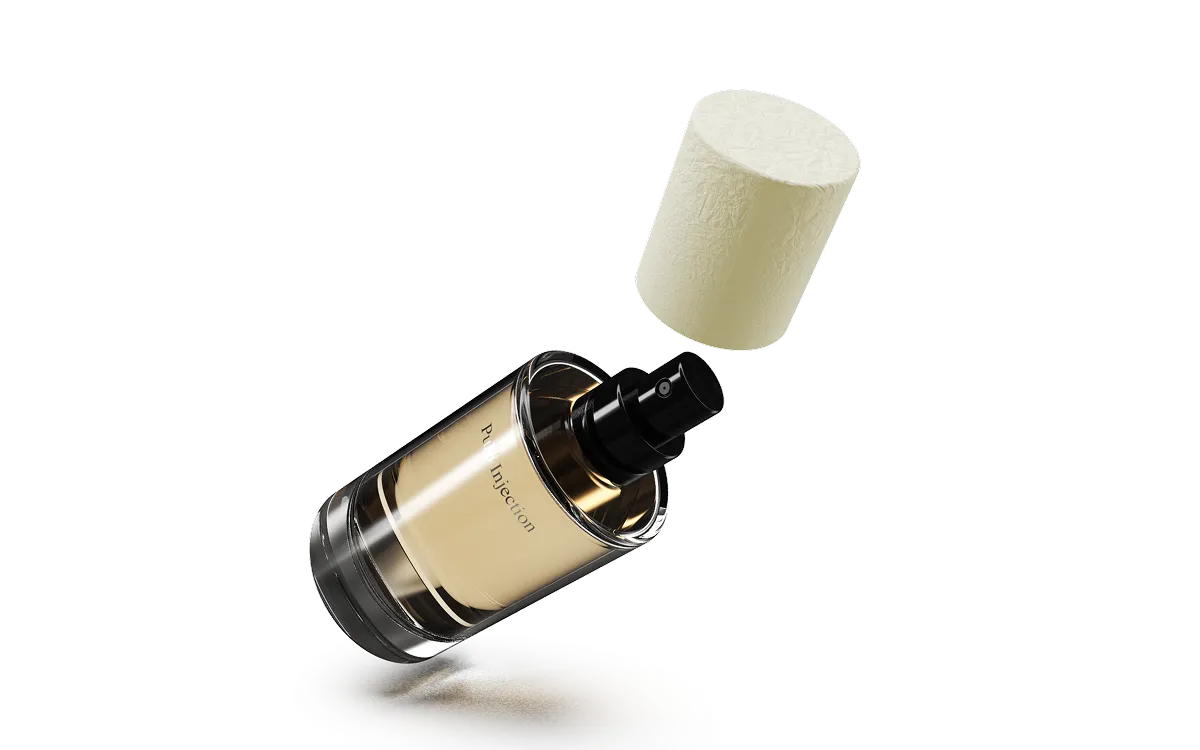
For example, pharmaceutical trays used in automated packaging lines require precise dimensions to prevent jamming. Cosmetic caps and premium packaging components can also be produced with distinctive shapes that reinforce a brand's identity while replacing conventional plastics.
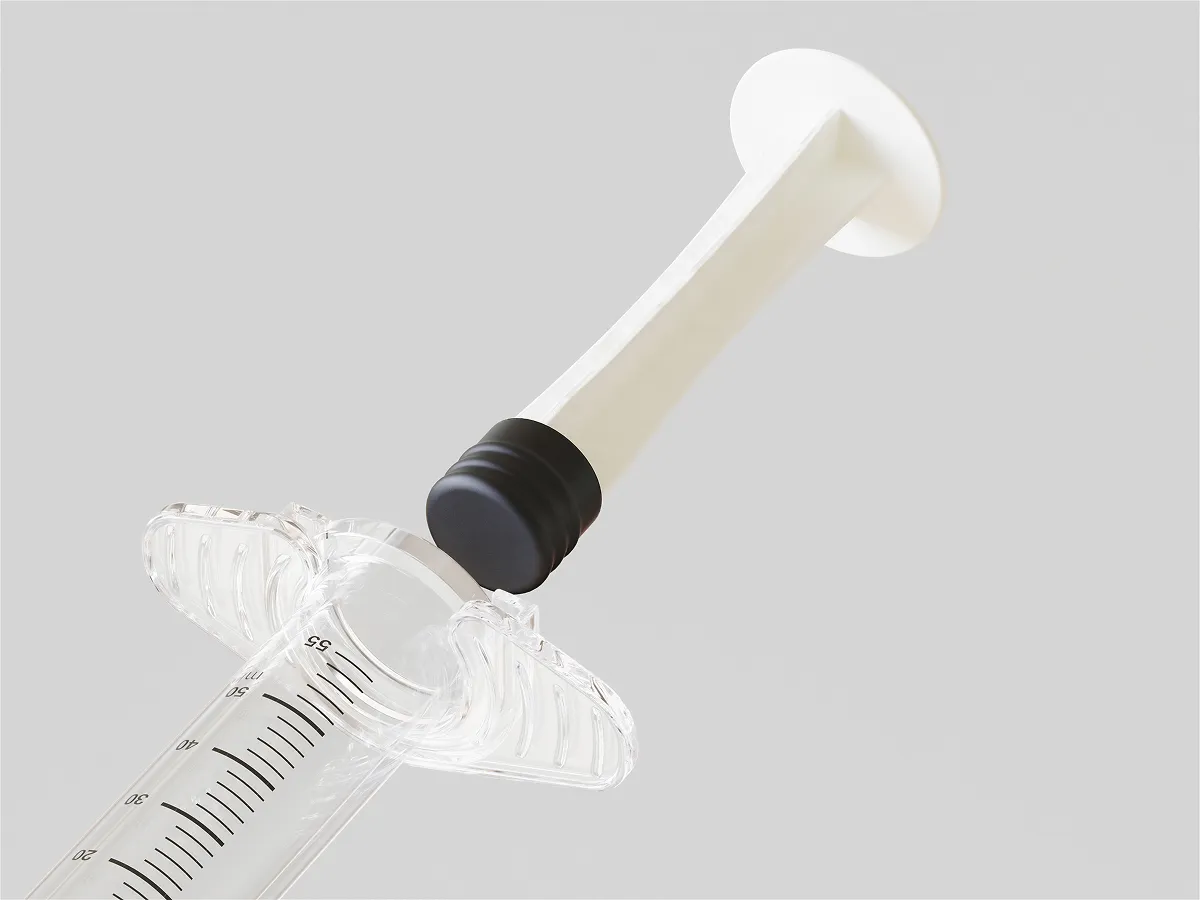
In 2025, Nissha successfully developed a prototype bio-based plunger rod for syringes—an application traditionally considered achievable only with plastic. The prototype demonstrated sufficient strength to withstand repeated pushing forces, surprising customers in the pharmaceutical and medical device industries and demonstrating the potential of fiber-based engineering beyond conventional packaging applications.
PaperFoam® is made from a blend of starch and pulp, mixed with water and shaped through an innovative foam-moulding process. This combination gives it excellent protective properties, precise dimensional accuracy, and extensive design flexibility.
As a paper-based solution, it is recyclable* and certified compostable, offering a low-impact, circular packaging alternative that helps businesses reduce reliance on plastics.
depends on local regulations and guidelines*
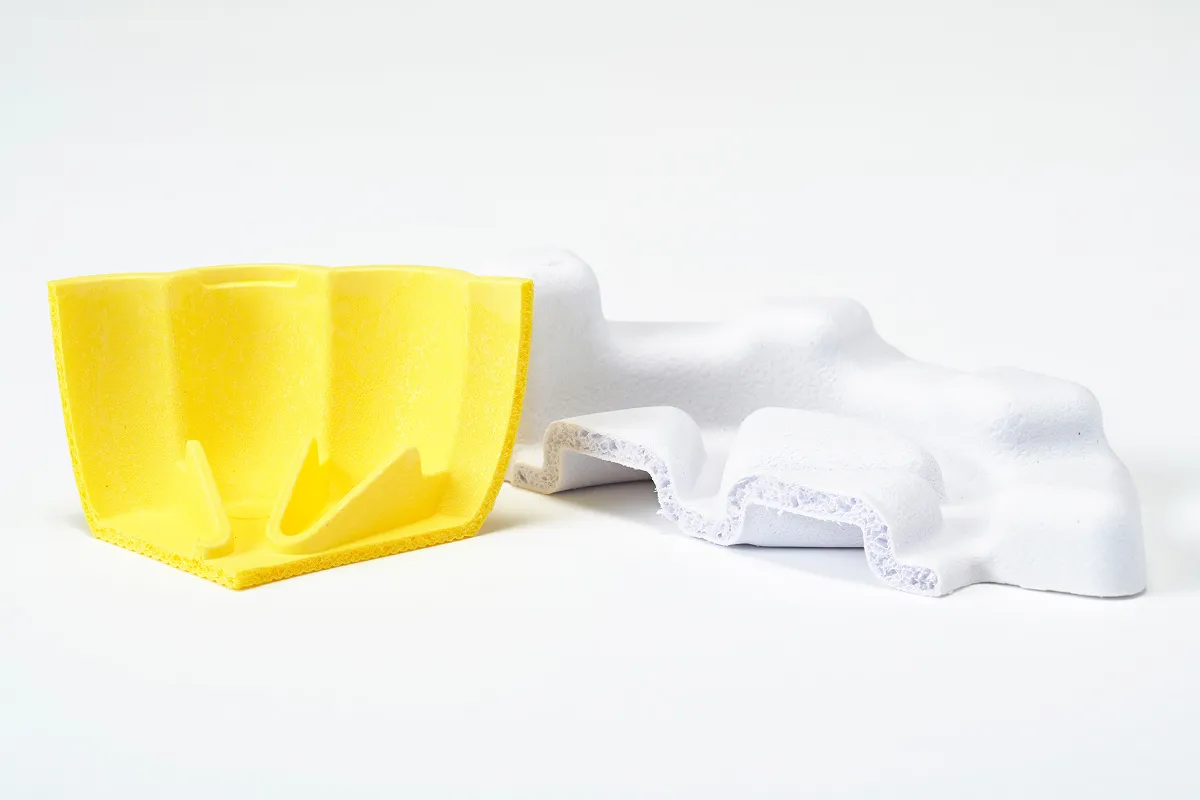
The manufacturing process is similar to baking a waffle.
A liquid mixture of starch, natural fibers, and water is poured into a heated mold, where it expands and cures without the high pressures in moulding.
This unique process creates a lightweight internal foam structure while accurately reproducing fine design details. The resulting packaging combines excellent dimensional accuracy with outstanding cushioning performance.
Because of its cellular structure, PaperFoam® can reduce packaging weight by up to 40% compared with many conventional protective packaging materials. It also offers excellent product fit, superior protection during transportation, and extensive opportunities for customized colors and product designs.

PaperFoam® is suitable for a wide variety of protective packaging applications, ranging from cosmetics and consumer products to industrial equipment and medical devices.
Its lightweight structure, excellent cushioning performance, and attractive appearance have led to adoption across numerous industries where sustainable packaging must also provide reliable product protection.
Check the case studies: https://ecosense.nissha-europe.com/case-studies
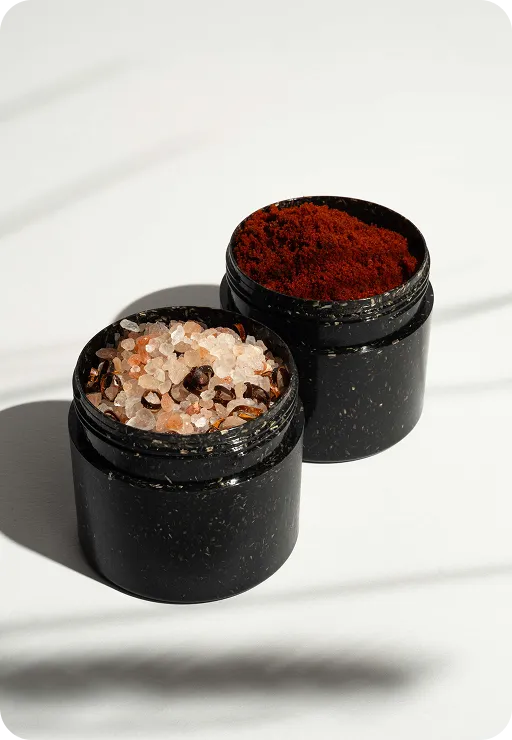
Unlike the fiber-based technologies introduced above, Sulapac® is a premium bio-based composite material rather than a molded pulp solution.
Made from renewable raw materials and plant-based binders, Sulapac® significantly reduces reliance on fossil-based plastics while offering the premium appearance expected from luxury consumer products.
Depending on the selected grade, Sulapac® can incorporate visible wood chips, provide a smooth natural finish, or achieve a ceramic-like appearance. It is also designed to biodegrade without leaving harmful microplastics behind, making it a safe choice for both people and the environment.
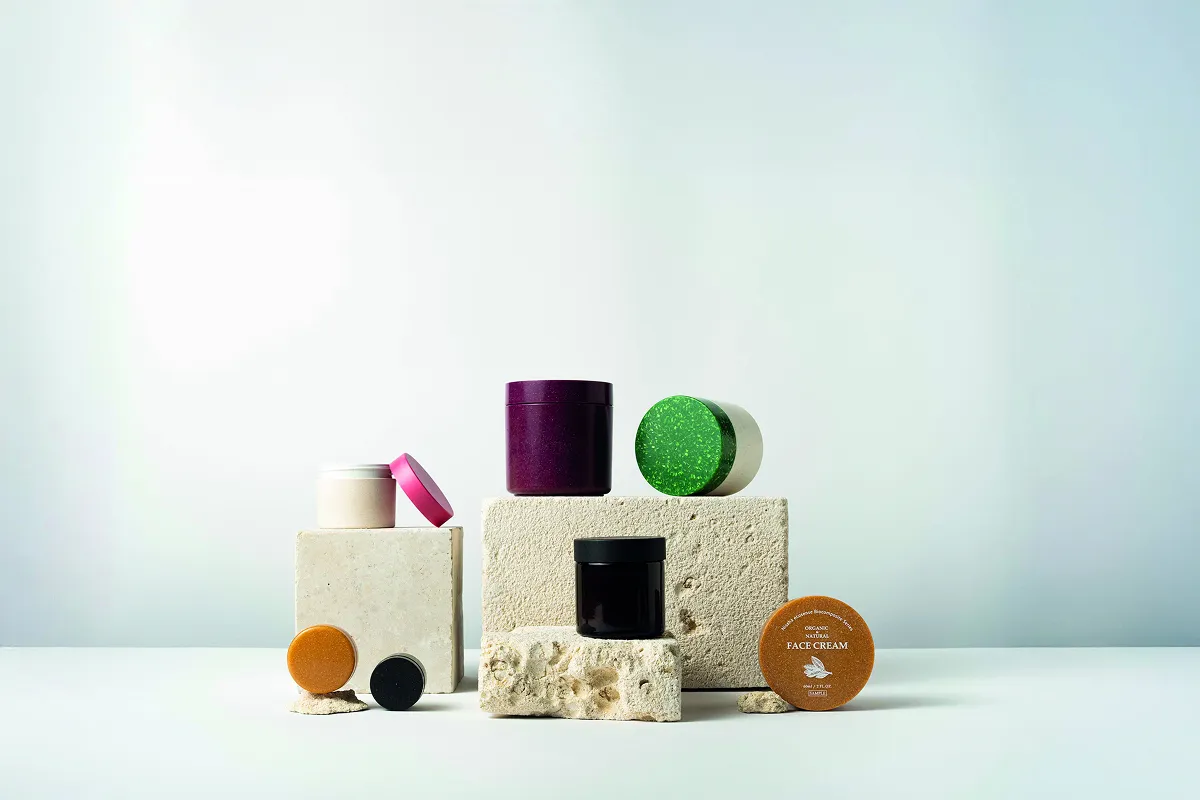
Sulapac® is processed using conventional plastic injection moulding equipment, allowing manufacturers to integrate sustainable materials into existing production lines without major equipment modifications.
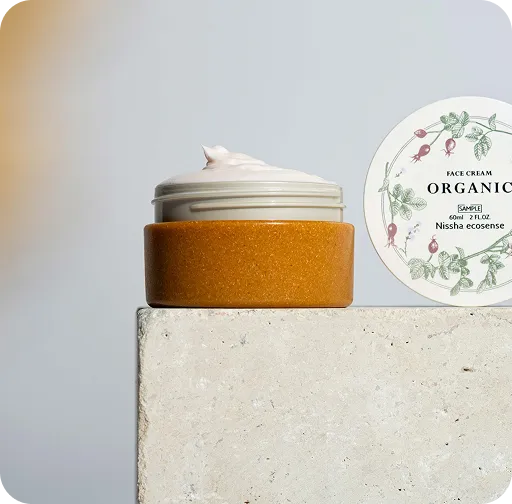
Nissha also offers a range of standard cosmetic jars and matching closures manufactured from Sulapac®, enabling brands to accelerate product development without investing in custom tooling.
Explore our standard Sulapac® packaging range here.
https://ecosense.nissha-europe.com/Sulapac
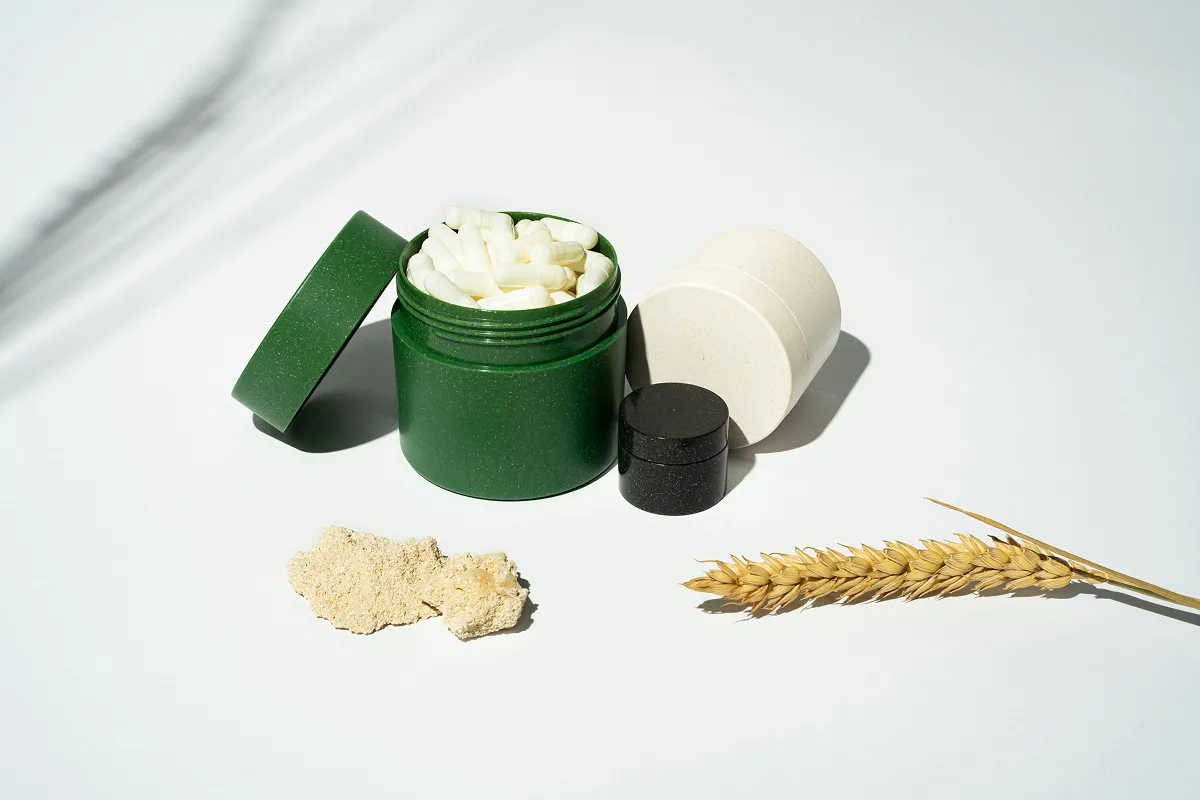
Sulapac® is particularly well suited for premium cosmetic packaging, including skincare jars, fragrance components, and beauty accessories.
Nissha's portfolio includes both single-wall and double-wall cosmetic jars suitable for creams and other premium formulations.
In addition, Sulapac® complies with the EU's stringent food-contact regulations, making it suitable for packaging dry foods, oily foods, dietary supplements, and cosmetic products while ensuring consumer safety.
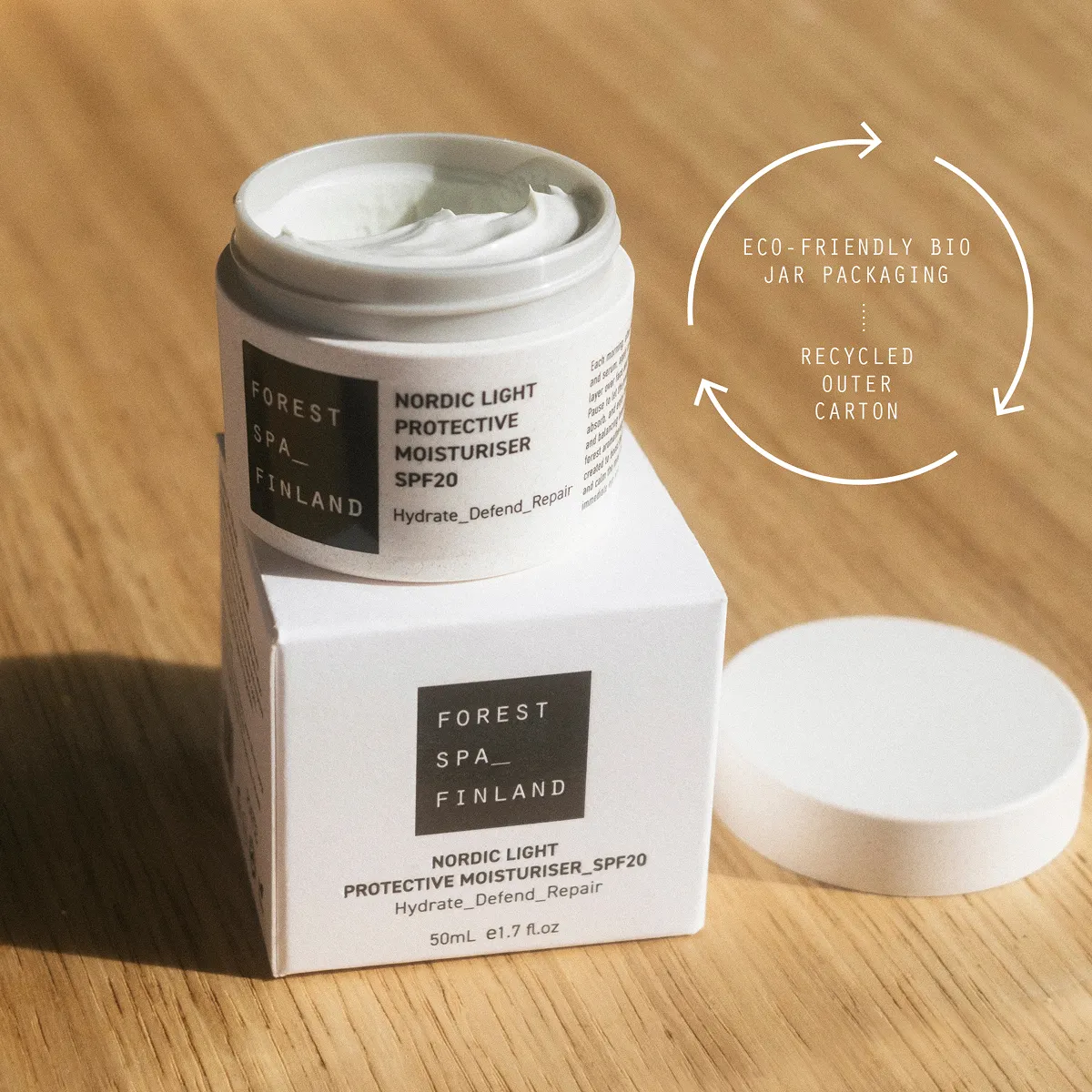
We believe there is no single solution to sustainable packaging. The right material and manufacturing technology depend on the product's requirements, production volume, design complexity, and sustainability goals.
As highlighted in our recent feature in Packaging Post, we offer a portfolio of complementary packaging technologies that help brands replace conventional plastics without compromising performance or manufacturability.
In this article, we introduce the four core technologies behind our sustainable packaging solutions—Fiber-Forming, Pulp-Injection, PaperFoam®, and Sulapac®. Each technology offers distinct advantages in terms of materials, manufacturing processes, functionality, and ideal applications, enabling us to recommend the most suitable solution for every project.
Whether you are developing pharmaceutical packaging, cosmetic containers, consumer goods packaging, or industrial protective packaging, our engineering team works closely with customers to identify the technology that best balances sustainability, product protection, manufacturability, and cost.
Not sure which technology is right for your application?
Contact us to discuss the best solution for your project.


We here at Nissha will support you every step of the way!