Functional Eco-Friendly Food Packaging For Dry Products
Our eco-friendly packaging protects dry foods while being fully compostable and leaves no microplastics behind.
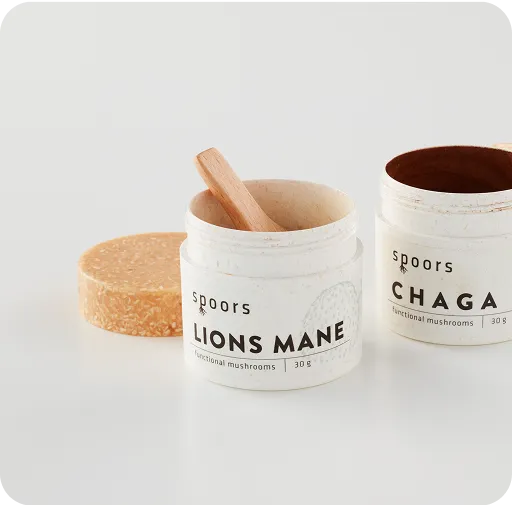


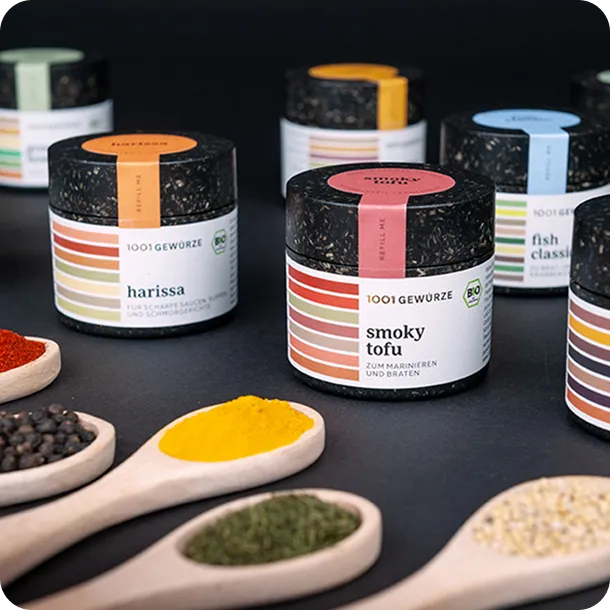



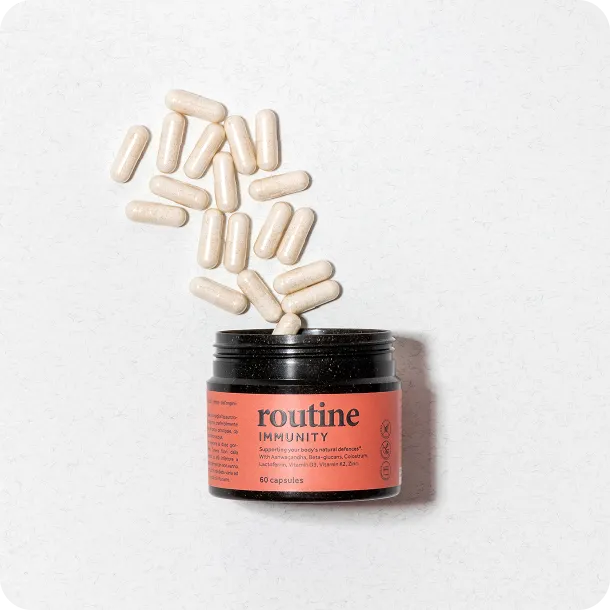
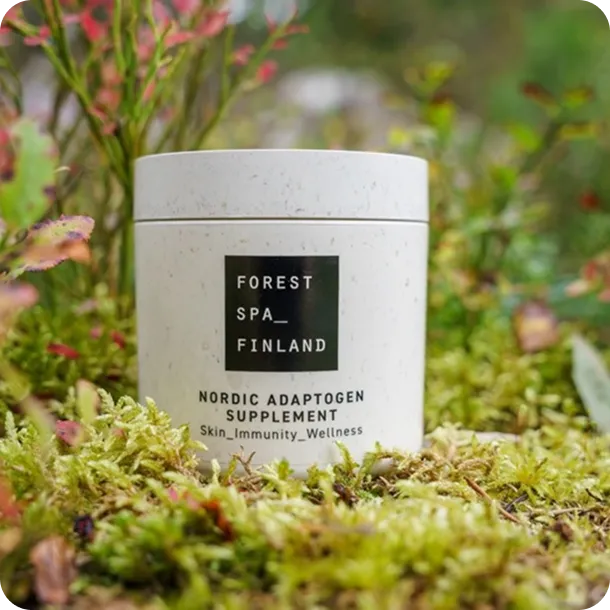


Rethinking How Food Is Packaged for a Greener Future Greener Future

Conventional plastic-based food packaging generates significant carbon emissions during production and disposal, contributing to climate change and environmental degradation.


The EU is tightening regulations on single-use and hard-to-recycle plastics through different directives. Non-compliant food brands risk fines, sales restrictions, and limited access to European markets.


Plastic packaging can break down into microplastics that contaminate soil and water, threatening ecosystems and posing long-term risks to human health.


Some bio-based packaging use edible crops, potentially competing with the food supply. Food brands need packaging materials that do not compromise global food security.


Fossil-based plastics deplete finite materials and generate waste that remains in the environment for decades.
Sustainable Packaging Trends Shaping the Food Industry
Plastic-Free and Minimal-Waste Solutions
- Food brands are increasingly adopting bio-based and compostable materials as alternatives to petroleum plastics.
- These solutions cut waste and help companies achieve sustainability targets.
- They also reduce environmental impact while strengthening brand responsibility.

Monomaterial and Recyclable Packaging
- Single-material formats are gaining traction in the food sector as they simplify sorting and recycling.
- These formats are compliant to new regulatory requirements and are compatible with existing recycling systems.
- Using a single material also makes recycling more efficient and lowers the packaging’s ecological footprint.

Refill and Reuse Systems
- Refillable formats are being widely adopted to reduce single-use plastic waste.
- Even luxury brands are designing products with durable, reusable containers.
- Some companies have introduced take-back programs, encouraging consumers to return empty packaging for reuse or proper recycling.

Adoption of Bio-Plastics and Plant-Based Materials
- Single-material formats are gaining traction in the beauty industry.
- Mono-materials (PET, PE, PP) simplify sorting and recycling compared to mixed-material designs.
- The industry is also advancing “bottle-to-bottle” closed-loop recycling, where used containers are collected, processed, and remade into new ones.
Adoption of Bio-Plastics and Plant-Based Materials
- Bio-plastics derived from sugarcane or corn help reduce dependence on fossil fuels.
- Innovative blends using materials such as rice husks or scallop shells are also emerging in the market.
- These innovations appeal to eco-conscious consumers seeking sustainable choices.

Evolving Regulations on Food Packaging
- Stricter EU and global rules on single-use and non-recyclable plastics are reshaping the food industry.
- Compliance pressures are driving companies to rethink material choices.
Shaping a Sustainable Future for the Food Industry with ecosense molding
At Nissha, we develop bio-based packaging tailored to the specific challenges of the food industry. Our solutions offer the perfect balance between sustainability, protection, aesthetics, and food safety.


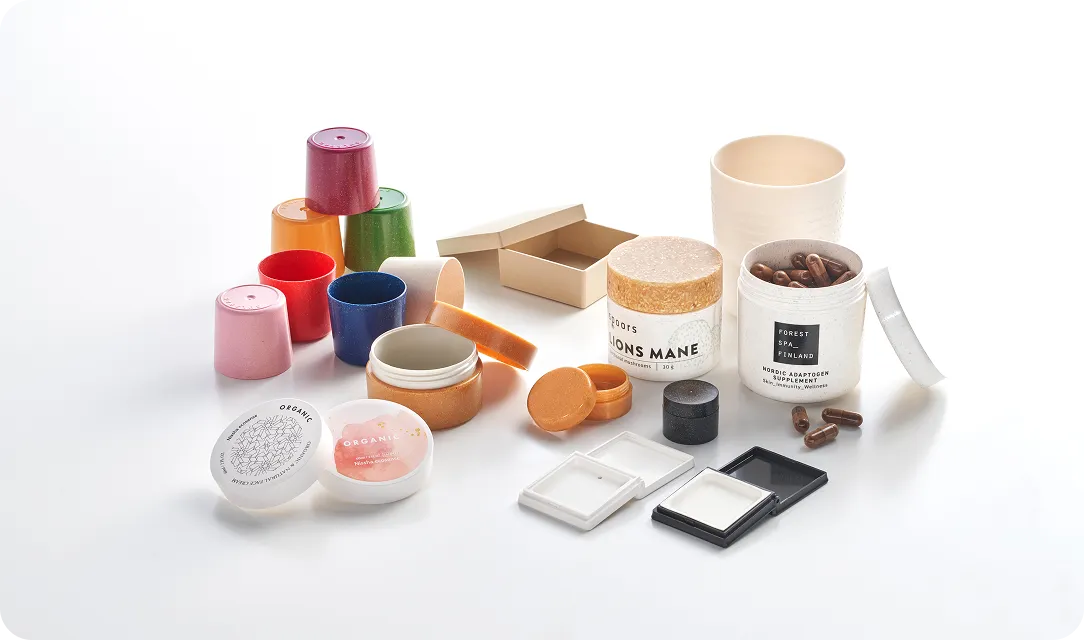




Sustainable Packaging Solutions for Reliable Food Protection
Primary packaging protects food from damage, contamination, and spoilage, ensuring products reach consumers in perfect condition. It also shapes brand experience, communicating quality and building trust. Our two innovative solutions safeguard dry foods while showcasing your brand with natural, eco-friendly design.
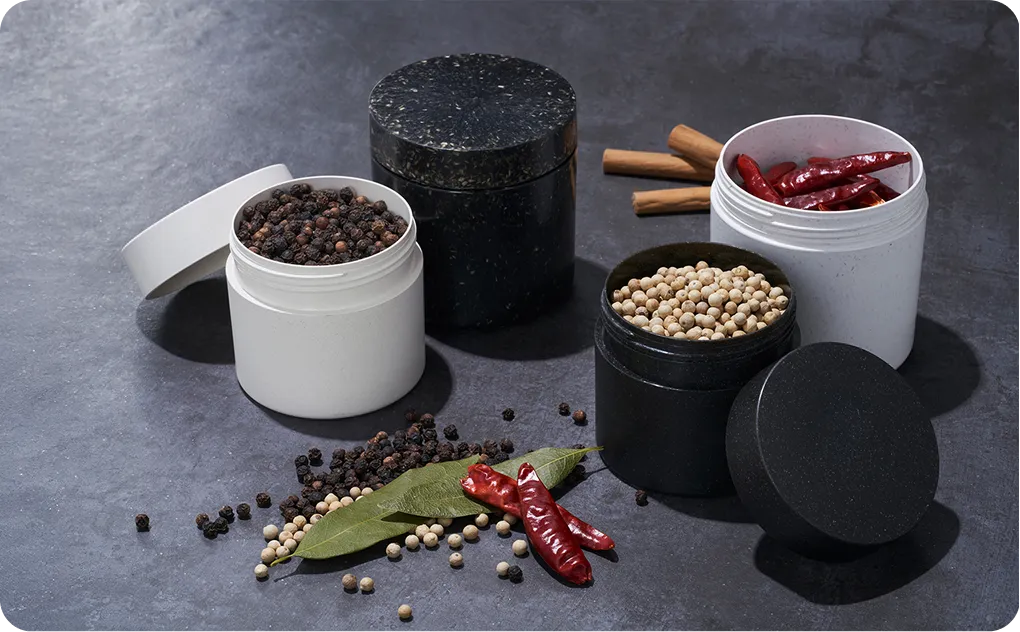
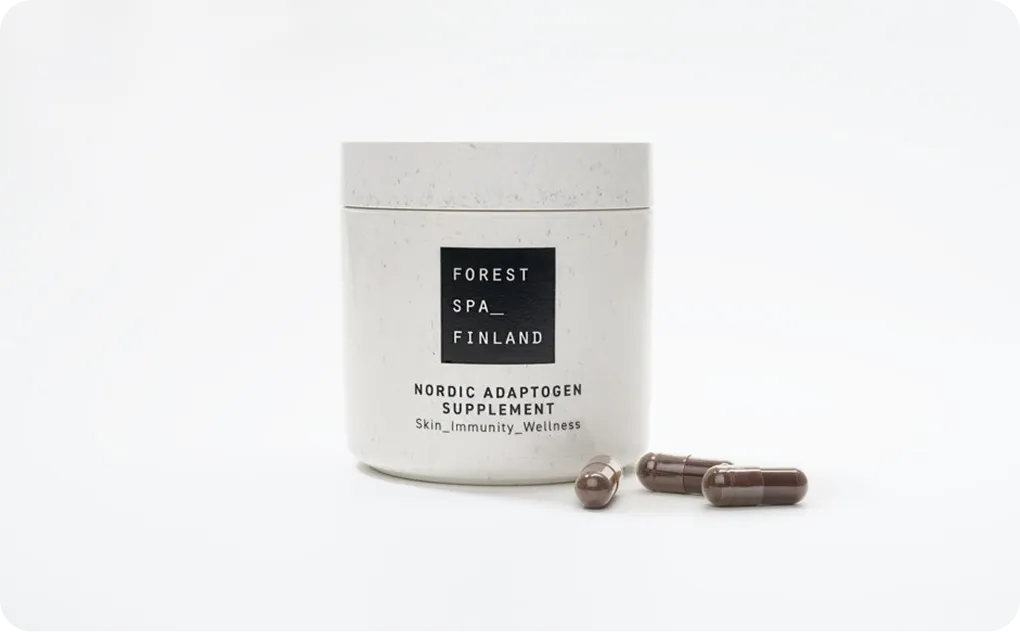


Eco-Conscious Secondary Packaging Built for Food Safety
Secondary packaging is your product’s safety net – keeping jars, bottles, and other delicate containers intact during shipping, storage, and display. At the same time, it’s an opportunity to showcase your brand and provide clear, helpful information to consumers.

Tailored Packaging Solutions, Just for You
Our sales team is happy to discuss your design requirements, order quantities, and sustainability goals to create a packaging solution that fits your brand perfectly.

Benefits of Our Eco-Friendly Dry Food Packaging

Suitable for dry products. Complies with EU and global food contact regulations.

Certified for industrial composting (EN 13432) and TÜV Austria OK Compost (depending on solution), breaking down quickly in compost facilities.

Our solutions are made from materials like pulp, starch, wood, mineral clay, and plant-based binders, reducing emissions compared to fossil plastics.*
*Comparison based on bio-based packaging vs. fossil-based PP (Cradle-to-gate)

PaperFoam® provide high cushioning while remaining extremely lightweight, securing products during transport.

Natural textures, customizable shapes, colors, and embossing enhance brand perception and product presentation.
Biodegradable and organically recyclable, returning to nature without leaving microplastics.
Our Process
From design to delivery, our local, one-stop solution ensures quality, speed, and clear communication every step of the way.
You Reach Out
Our local sales team listens carefully to your needs, whether it’s shape, material, volume, or any special requests.
Tailored Proposal
Based on your input, we craft the best solution for your product. If needed, we create samples or prototypes for your review.
Approval and Quotation
Once you confirm the specifications, we provide a detailed quote that fits your requirements.
Order and Production
After your order is placed, we start mold making and trial production to ensure quality and precision.
Full-Scale Delivery
With your approval on trial runs, we move to mass production and deliver on schedule.
Kind Words From Our Customers

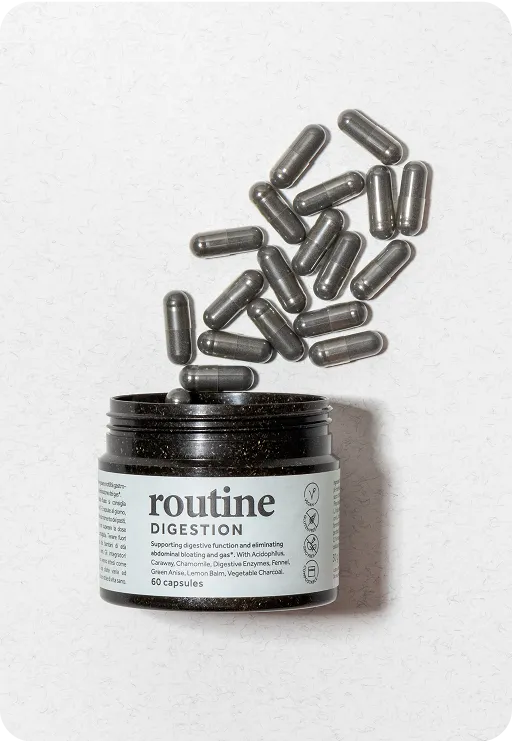
“We chose Sulapac® for its elegant design and compostable material that perfectly reflect our brand philosophy. At FLØR, we believe that true beauty begins within - and that commitment extends to how we create and package our products. The Sulapac® jar not only enhances the premium look and feel of our supplements but also aligns with our values of sustainability, innovation, and environmental responsibility.”

“Aesthetic design, good looking & natural colour, compostable material, sustainable production, smooth surface, good processing”

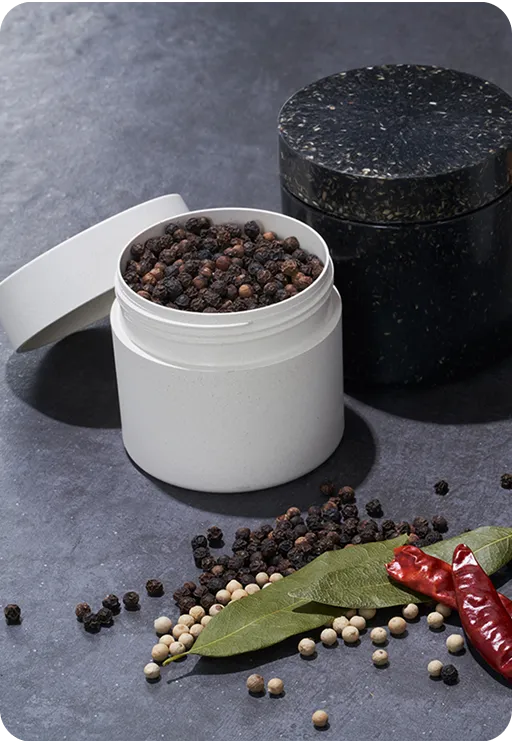
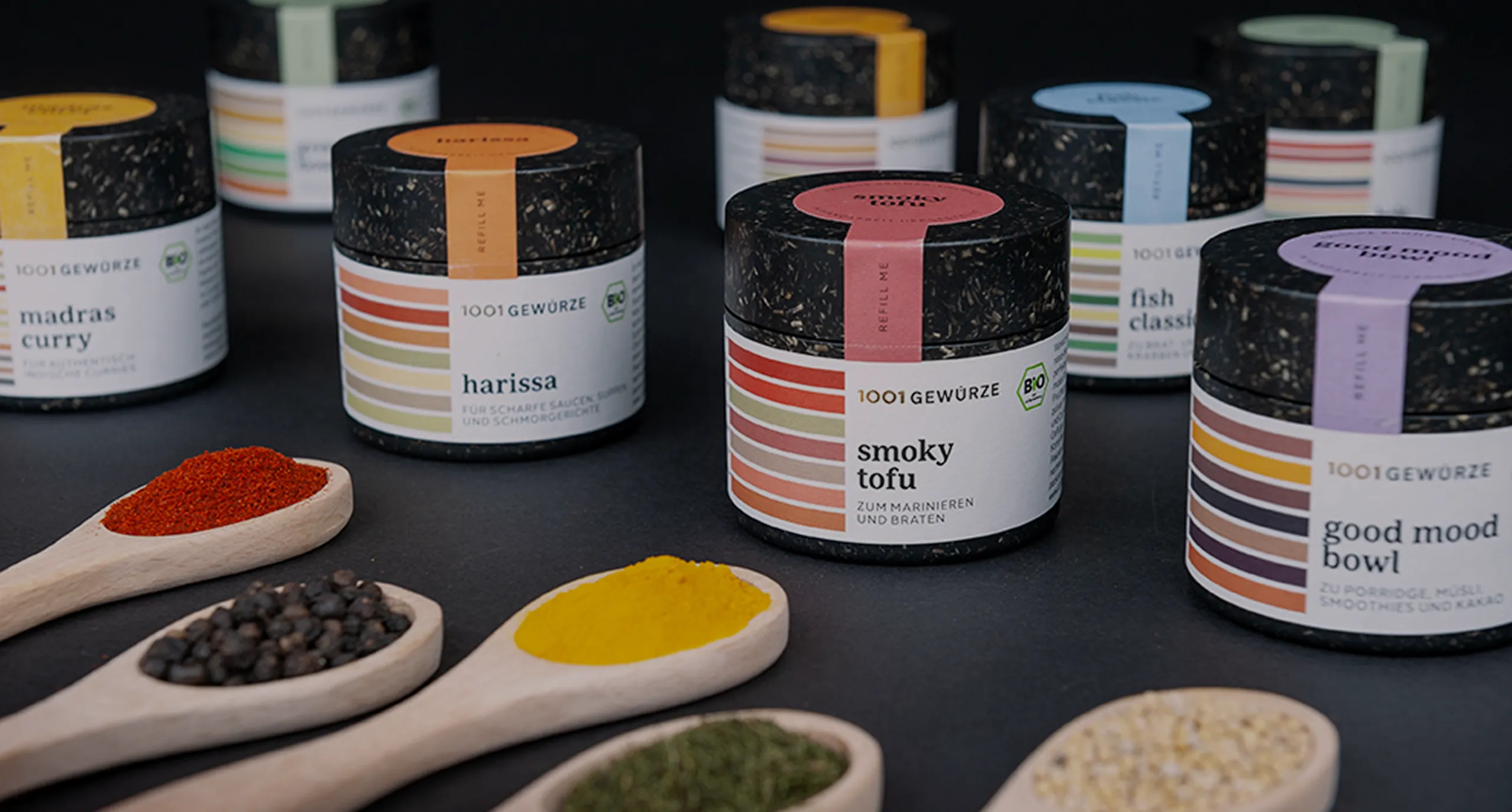
“Innovative and great design, sustainable material, perfectly for our spices (concerning light- and aroma-protection), and - as a cherry on top - produced in Germany :)”
“Aesthetic design, good looking & natural colour, compostable material, sustainable production, smooth surface, good processing”

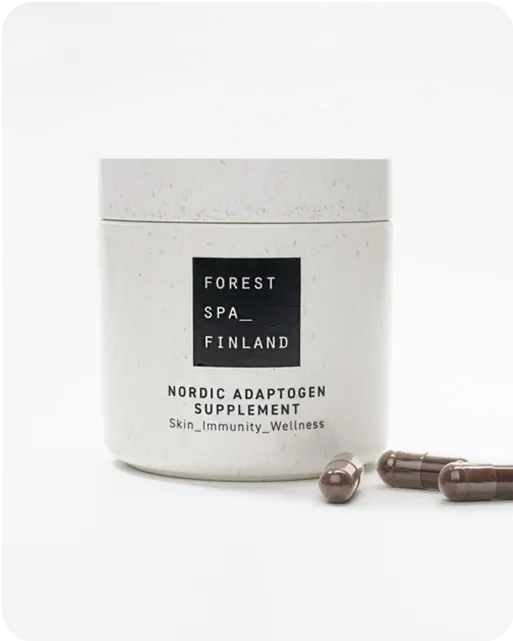
“We looked for a great sustainable material which tells our brand story on its own. 200ml jars embrace both beautiful design and functionalities. The natural but premium look of the jars fits for our high-quality wellness products.”
Frequently Asked Questions
Yes. Sulapac®, PaperFoam® and Fiber-Forming is fully compliant with EU food contact regulations (EU 10/2011 & EU 1935/2004), ensuring it is safe for dry foods while maintaining product quality and freshness.

MOQ of 100,000 units is recommended. Smaller quantities may be possible depending on shape and size. Please contact us for details.
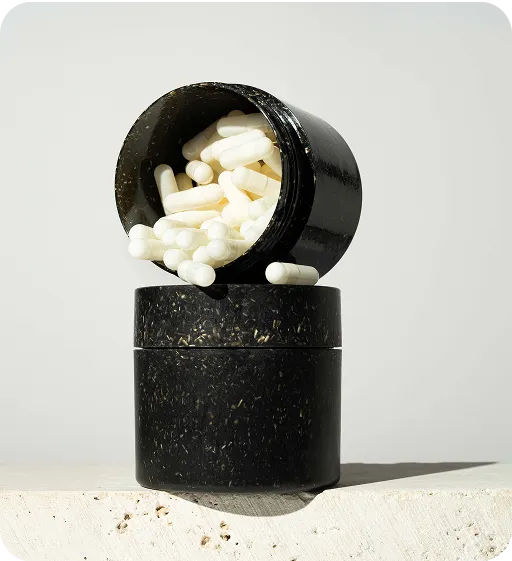
It depends on the material and design complexity. Please send us your design or idea for a specific feasibility check. For Sulapac jars, we have standard size jars available.
MOQ of 100,000 units is recommended. Smaller quantities may be possible depending on shape and size. Please contact us for details.
We adapt our designs to your product and brand needs – from size, shape, and functionality to textures and branding. Prototypes and samples are available before scaling to full production.
MOQ of 100,000 units is recommended. Smaller quantities may be possible depending on shape and size. Please contact us for details.
From concept to mass production, we guide you at every step. We explore design options, create test samples, and move to full-scale manufacturing, ensuring quality, precision, and sustainability throughout.
MOQ of 100,000 units is recommended. Smaller quantities may be possible depending on shape and size. Please contact us for details.

Ready to Start Working With Us?
We here at Nissha will support you every step of the way!