Tailored Packaging Solutions, Just for You



Plastic waste is a huge global problem. Every year, the world produces over 400 million tons of plastic, but only 9% gets recycled. The rest ends up in landfills, gets burned, or pollutes our environment.
Tailored Packaging Solutions, Just for You
Plastic waste is a huge global problem. Every year, the world produces over 400 million tons of plastic, but only 9% gets recycled. The rest ends up in landfills, gets burned, or pollutes our environment.
If this keeps up, plastic production could double by 2040. That means even more waste, more pollution, and more harm. Plastic damages marine life, soils, and pollutes the air with tiny microplastics – now found in our blood, food, and water.
On top of that, making and burning plastic releases millions of tons of CO2 every year, adding to climate change.
Fixing this won’t happen on its own. Change needs to start at a larger scale, and that means businesses must lead the way.
Today, we’ll explore how companies are reducing plastic waste and taking real steps to help our environment.
Reducing plastic isn’t just about doing good for the planet, it’s becoming a business necessity.
From legal requirements and ESG frameworks to changing consumer expectations, companies are under pressure to act. Here’s how these forces are shaping corporate strategy:
CSR means a company’s promise to do more than just follow the law. It’s about actively improving society and the environment . Reducing plastic waste is a clear, measurable way businesses can walk the talk and show they really care to their consumers.
Why it matters:
By making plastic reduction part of your CSR, companies turn good intentions into visible actions everyone can see.
For example, Danone has committed to cutting its use of virgin fossil-based packaging by 50% by 2040 (30% by 2030). Other global brands like Unilever have also pledged to halve their use of virgin plastic by 2025.
These ambitious goals signal to consumers and investors alike that sustainability isn’t a buzzword, it’s a business imperative.
Today’s consumers are more informed, more vocal, and more values-driven than ever. They’re not just asking brands to reduce plastic waste, they expect it.
Eco-conscious shoppers are actively looking for plastic-free or recyclable options. And here’s the big shift: more than half are willing to pay more for eco-friendly packaging. In fact, 55% say they’d even boycott brands that aren’t doing enough for the planet.
Why this matters for brands:
It’s becoming clear that meeting consumer expectations isn’t just good PR, it’s smart business.
Plastic reduction is becoming a legal must.
ESG (Environmental, Social, and Governance) standards are how investors and regulators evaluate a company’s ethics and sustainability. The environmental “E” now includes a strong focus on plastic use and waste.
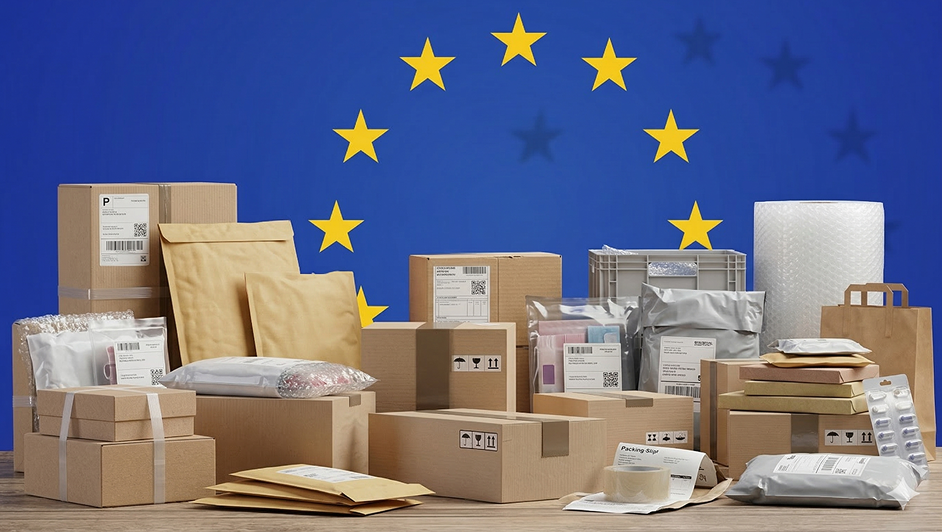
The truth is, governments all over the world are tightening the rules. For example, the EU’s Packaging and Packaging Waste Regulation (PPWR) will require all packaging to be recyclable or reusable by 2030. Similar policies are emerging worldwide.
Here’s what that means for companies:
There’s also a growing financial cost to inaction. The EU Plastic Tax, introduced in 2021, charges member states €0.80 per kilogram of non-recycled plastic packaging waste, and many countries are passing that cost on to companies:
Staying ahead of regulations like these helps avoid penalties and builds long-term trust and resilience.
From packaging redesign to material innovation and refillable models, there’s no one-size-fits-all solution. But there are proven strategies that businesses are already using to make a real impact.
Let’s take a closer look at some of the most effective ones:
One of the most direct ways companies are cutting plastic waste? Rethinking packaging.
Brands across industries are redesigning packaging to use less plastic from the start. This means eliminating unnecessary components, making packages lighter, and improving recyclability.
Some of the most effective approaches include:
Smarter packaging also cuts down on emissions during shipping by reducing size and weight. And across sectors (from cosmetics to cleaning supplies), refillable and reusable models are gaining serious traction.
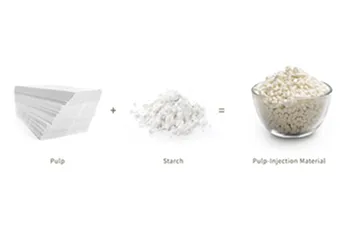
One standout example of smarter packaging in action is (Nissha’s) Pulp-Injection: a solution that proves companies don’t have to sacrifice performance to go plastic-free.
Certified by the Japan Organics Recycling Association for its high bio-based content, Pulp-Injection is made from over 85% bio-based materials, including pulp.

This innovative material offers the look and feel of premium packaging but without the environmental cost of plastic.
And here’s the kicker. When tested against traditional plastics like polystyrene and polypropylene, Pulp-Injection holds its own in strength, durability, and recyclability.
Just take a look at how well it stacks up:
*JIS: Japanese Industrial Standards
But it’s not just about what it’s made from, it’s about how it fits into real-world systems. Because it contains over 50% pulp, it also qualifies under PAP 21 (non-corrugated fiberboard) – which means consumers can recycle it in regular paper bins, no special instructions or facilities needed.
Independent third-party tests also confirm it can be safely mixed into existing paper streams, up to 10% by weight. That means better infrastructure compatibility and fewer consumer hurdles.
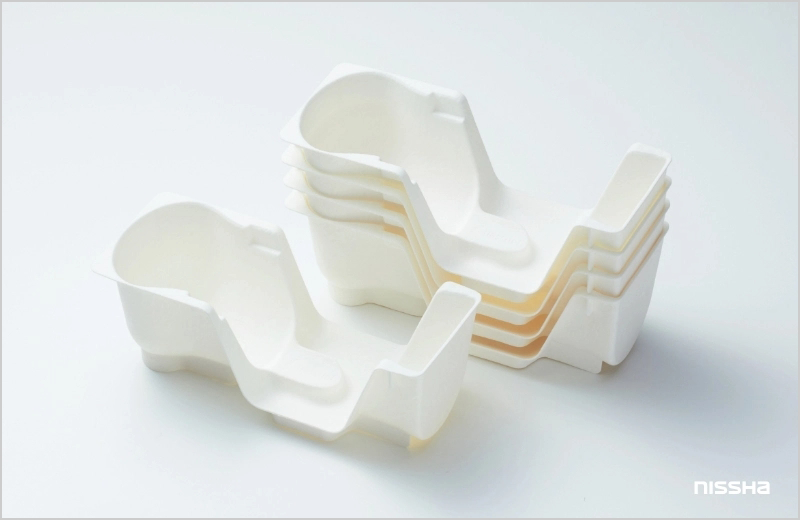
This kind of packaging redesign proves that companies don’t have to choose between functionality and sustainability.
Circular economy practices focus on keeping materials in use for as long as possible, moving away from the traditional take-make-waste model. Instead of letting resources go to landfill, it designs waste out of the system from the very start.
Key practices include:
By embracing these strategies, companies can reduce environmental impact while creating smarter, more sustainable business models that benefit everyone.
Companies today are also reconsidering where their packaging materials come from and how they can use them to their full potential to reduce their environmental impact.
Here’s how they’re making a difference:
To put these strategies into practice, many companies are turning to innovative alternatives like PaperFoam® – a direct plastic replacement that delivers on quality, protection, and sustainability without compromise.
When it comes to sustainable alternatives to traditional plastic foams, PaperFoam® stands out as a game-changer. Combining lightweight design with excellent cushioning, it perfectly protects delicate products without the usual environmental baggage.
The secret lies in its unique composition and manufacturing process. Made primarily from pulp and starch, PaperFoam® is created through an injection process that heats the material and molds it to fit each product precisely – like a custom-made protective shell.
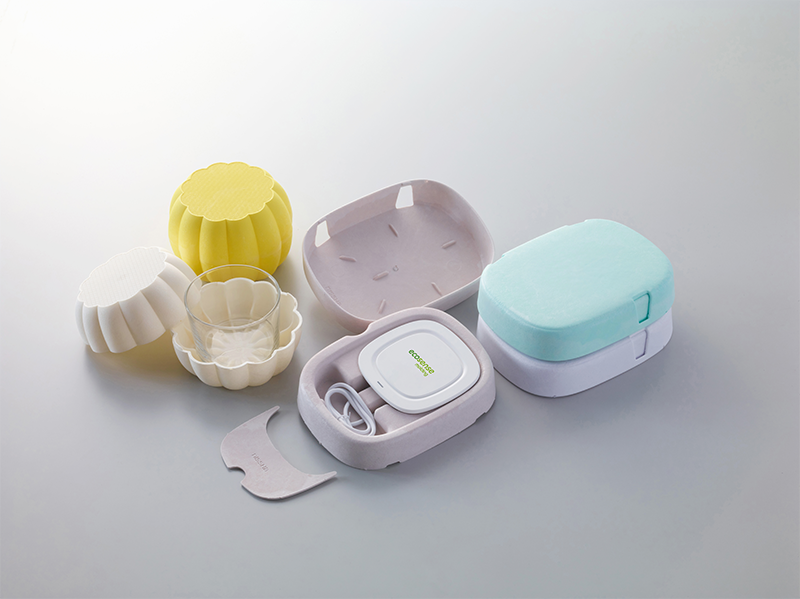
With a specific gravity around 0.2, PaperFoam® weighs much less than typical plastics. This not only makes handling easier but also cuts down transportation emissions, tackling environmental impact from multiple angles.
Following standard testing methods, the tests results s how that over 90% of PaperFoam® decomposes within a month, proving that this packaging is designed to return safely to the environment without leaving a lasting footprint.
Customization doesn’t take a hit either. Brands can choose from a wide range of colours , textures, and shapes while maintaining full recyclability. This proves that eco-friendly doesn’t mean compromising on design.
It also has the environmental credentials to back it up: PaperFoam® is certified OK biobased and OK compost (both home and industrial) by TÜV Austria, and it boasts a remarkable 99% fiber recovery rate.

This means almost the entire product can be reclaimed and reused, aligning perfectly with circular economy principles and other sustainability practices.
Extended Producer Responsibility, or EPR, is a policy approach that makes producers responsible for the entire lifecycle of their products, especially what happens after consumers dispose of them.
The goal is to shift the burden of managing plastic waste away from governments and taxpayers, placing it squarely on the companies that create packaging in the first place.
EPR programs typically involve:
Real financial consequences are now backing new EPR policies.
For example, the UK government announced in June 2025 that it will introduce EPR fees starting October 2025. These fees will apply to brand owners (not packaging suppliers), and will vary based on the materials they choose for their final products. That means companies using harder-to-recycle plastics will pay more.
Across the EU, similar EPR-based systems are being rolled out, forcing companies to take ownership of their packaging’s full environmental impact.
By participating in EPR, companies not only help reduce plastic pollution but also drive innovation in sustainable packaging and waste solutions.
As the world shifts toward circular, sustainable solutions, companies face new challenges, and new opportunities.
Extended Producer Responsibility programs and growing consumer demand are pushing brands to take real accountability for plastic waste.
At the same time, businesses must innovate packaging design and materials to reduce environmental impact without sacrificing performance.
On the bright side, Nissha’s Pulp Series (Pulp-Injection, Fiber-Forming, and PaperFoam®) offers proof that eco-friendly packaging can meet high standards while supporting all these goals.
Are you ready to lead the change? Contact us today to discover how sustainable packaging solutions can transform your business and the planet.

We here at Nissha will support you every step of the way!